


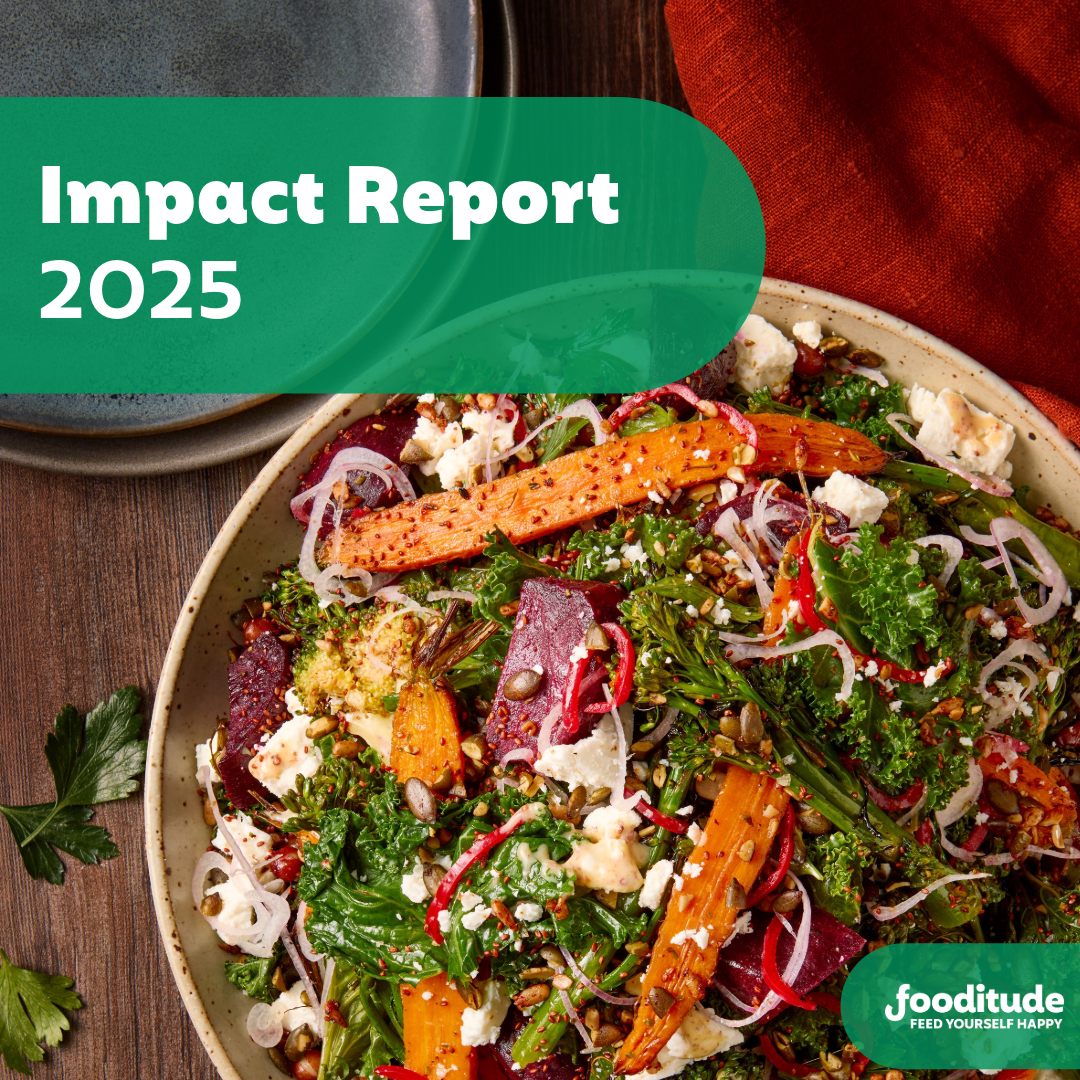
Recently, we launched our 2025 Impact Report. The report brings together activity across our kitchens, suppliers, operations and community partnerships, showcasing how impact is woven into the day-to-day decisions we make at Fooditude. It also reflects one of the core strengths of our business which is being transparent in how we measure, understand and improve what we do.
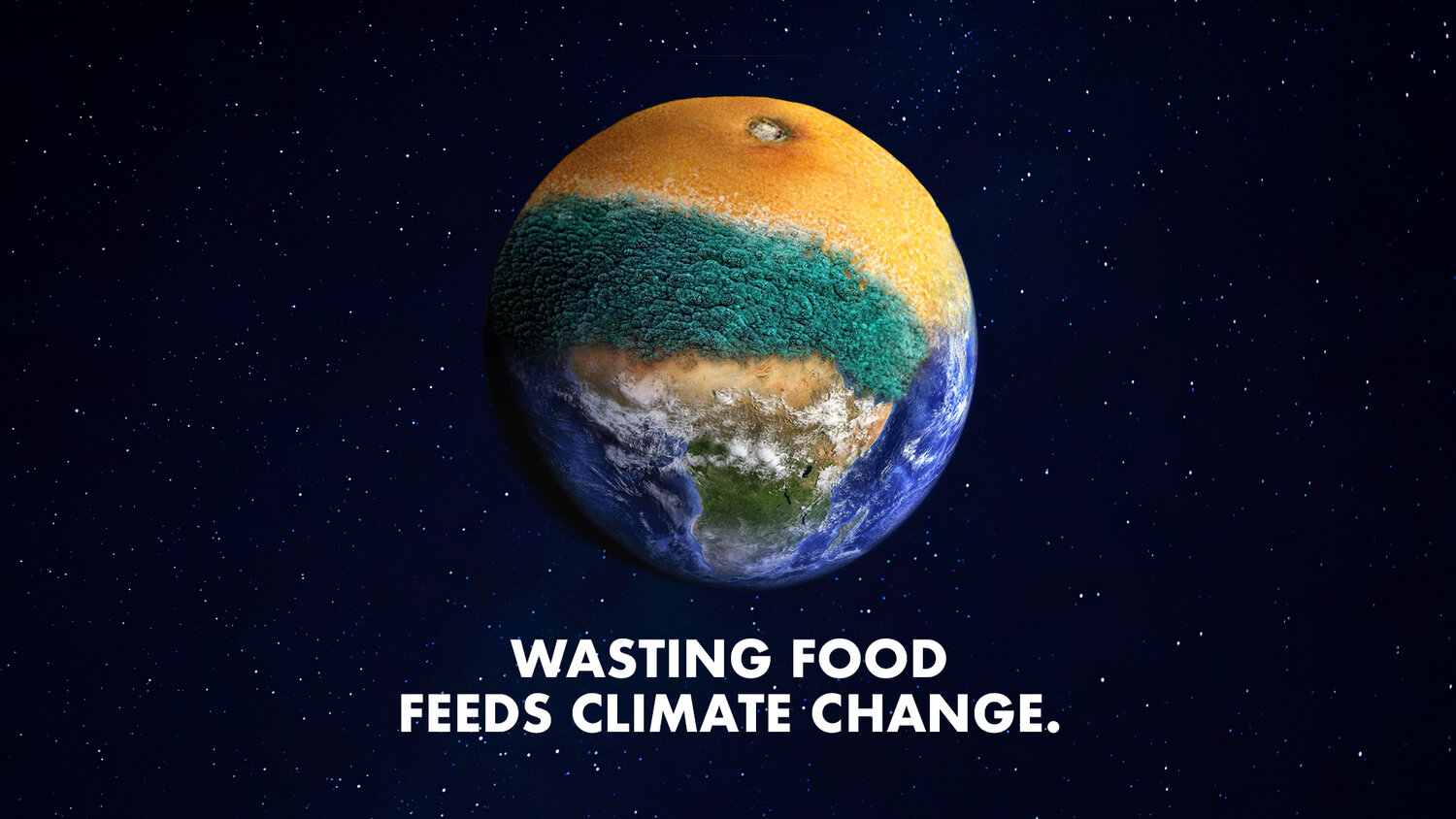
In this edition, we’re focusing on food waste, sharing our progress towards a 46% reduction in absolute food waste between 2024 and 2025, and the practical changes that helped us get there.

Here’s how we reduce food waste
When we set out on this journey, one thing quickly became clear. Waste is rarely the result of a lack of care. More often, it comes down to a lack of visibility. When waste isn’t easy to see or understand, it’s much harder to change behaviour. So our focus was to make waste visible and actionable.
That thinking started on the waste segregation system introduced in 2024 and led to the rollout of our Food Waste Prevention Programme across operations. The aim was to give teams clearer information, simpler systems and the confidence to act on what they see day to day.
In corporate catering, the biggest concern is rarely food waste, it’s the opposite. Hybrid working has made attendance patterns less predictable, and that uncertainty often leads to cautious over-ordering “just in case”. Over time, that small buffer becomes unnecessary waste.
The Food Waste Prevention Programme was designed to address this directly. Over the year, it helped us achieve a 46% reduction in food waste by changing how we plan, prepare and track food across service.
Weighing food
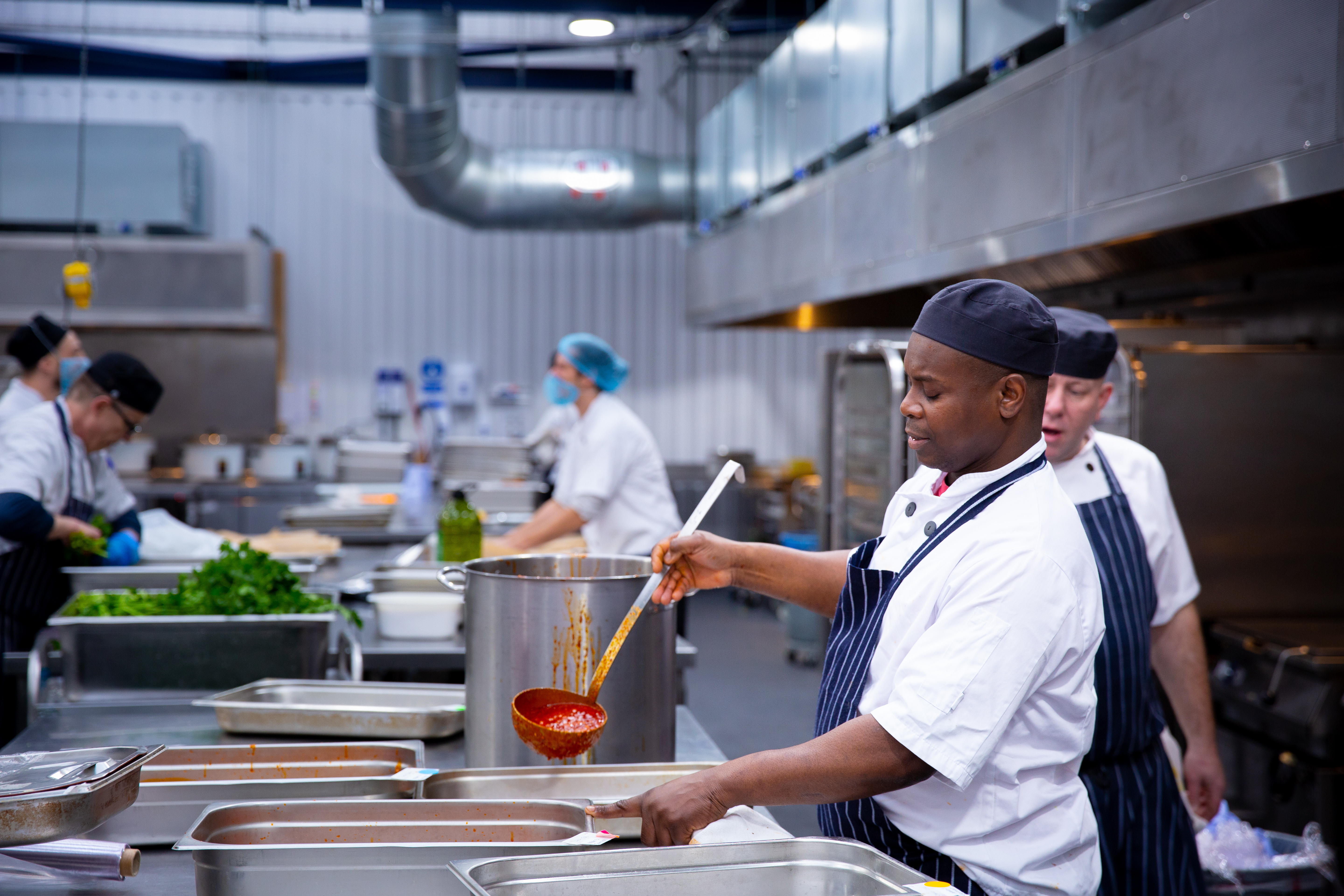
We introduced weighing food before dispatch and asked chefs to record waste by dish type. What began as a simple operational change quickly became something valuable which was clearer visibility of patterns. We could see which dishes performed well, when attendance shifted, and where waste was consistently occurring.
Those insights now actively shape how we work. Chefs and our menu development team use the data to refine recipes, adjust portion sizes and improve ordering decisions. It’s moved us from assumption-led planning to evidence-led decision-making — building accuracy over time rather than relying on estimation.
As Costanza Di Stefano, General Manager at a Leading Global Technology Company, shared:
“At first, we worried the food waste project would add pressure to an already busy service. But once we got started, the data gave us clarity we’d never had before. What felt like more work has actually led to less work overall and stronger conversations with our client.”
Small shifts, greater clarity
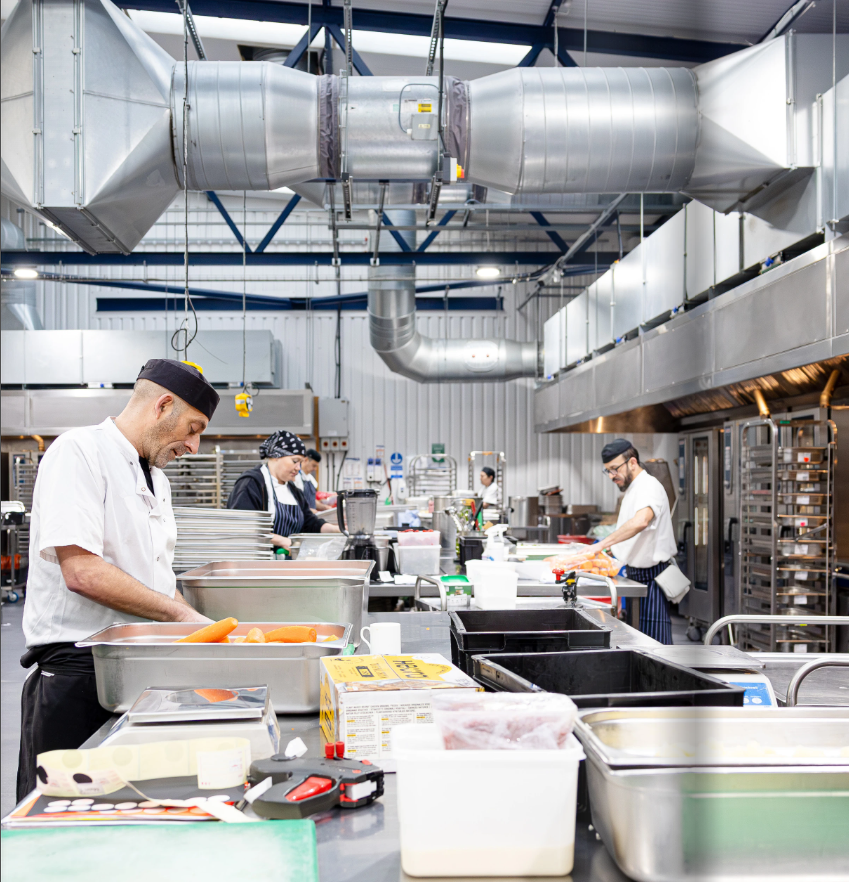
Alongside this, we also looked at what happens before food reaches service. A significant amount of waste is created during preparation, often in ways that aren’t immediately visible. To understand this better, we introduced a logging of all prep trim before disposal from vegetable stems to meat trimmings.
This small shift gave us much greater clarity. It allowed us to see where trim is generated, which ingredients are involved, whether it is unavoidable or avoidable and, where avoidable, what drives it.
By the end of Q4, the data showed that 93% of prep trim was unavoidable, equating to an average of 22g per meal. That insight mattered. It confirmed that most waste at this stage is inherent to preparation, while also helping us focus on the smaller areas where improvements were still possible.
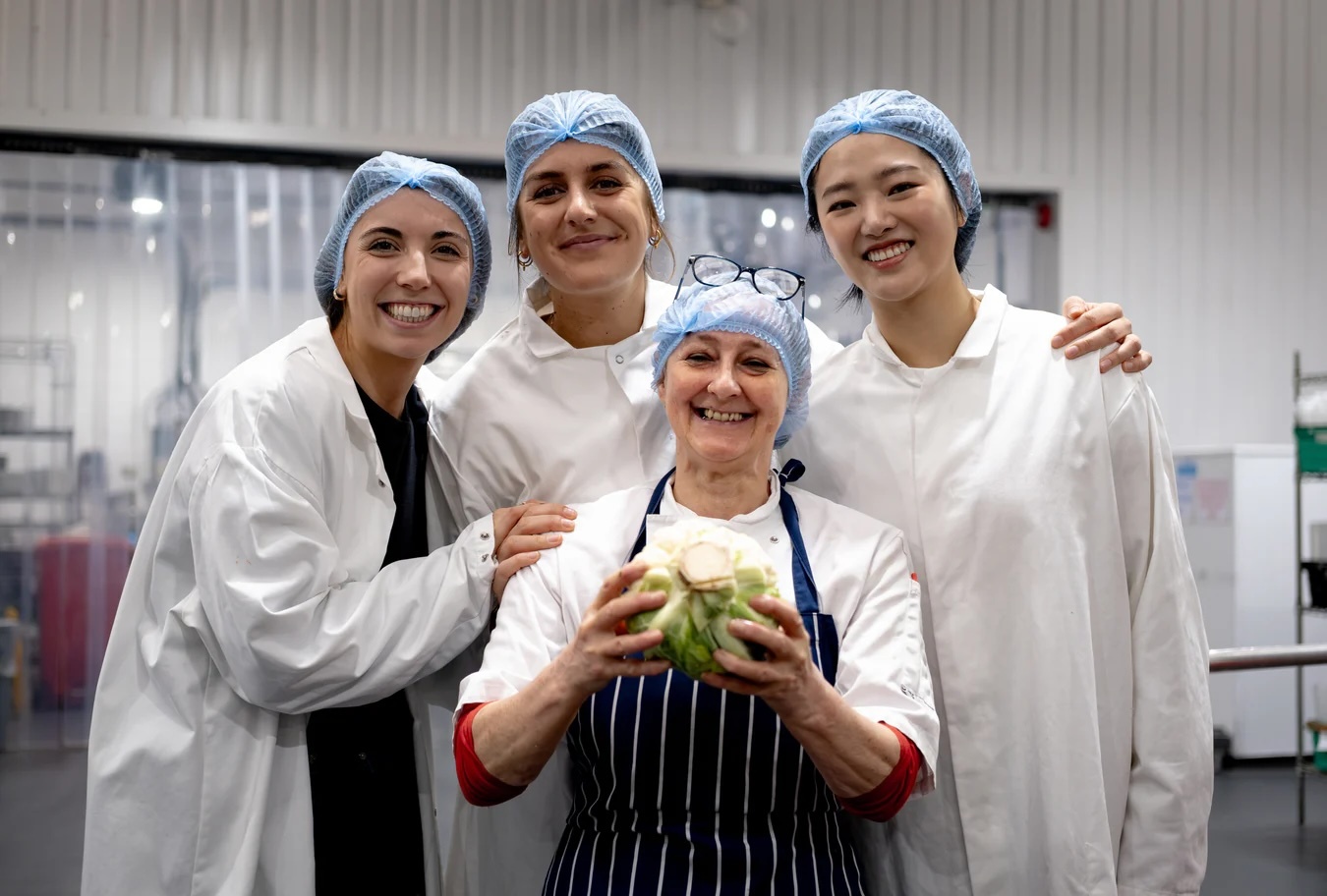
It also opened up more circular thinking in the kitchen. Some unavoidable vegetable trim such as broccoli and cauliflower stems didn’t need to be treated as waste. Through our partnership with The Ferm, a local fermentation kitchen, these trimmings are now transformed into kimchi, giving ingredients a second life instead of sending them to disposal.
What 2025 has reinforced is that visibility changes behaviour. When teams can see waste clearly, decisions naturally improve through understanding and not instruction. Small systems, consistently applied, create meaningful shifts in how food is planned, prepared and served.
Where this leaves us in 2026
As we move into 2026, the Food Waste Prevention Programme is fully embedded in how we operate. It’s no longer a project running alongside service, but part of how service is delivered. The focus now is on continuing to refine what we’ve built and using data not only to measure impact, but to keep improving how we work with food at every stage.
Fooditude’s Impact Report is grounded in openness, sharing not only progress, but also what we’re learning and how that shapes what we do next. This year features our most comprehensive carbon footprint assessment to date, developed in partnership with Planet Mark, providing a clearer view of our environmental impact across the business.
It’s important to say the report isn’t a finished picture. It’s a snapshot of where we are at right now, and a record of how we continue to move forward.
 Previous post