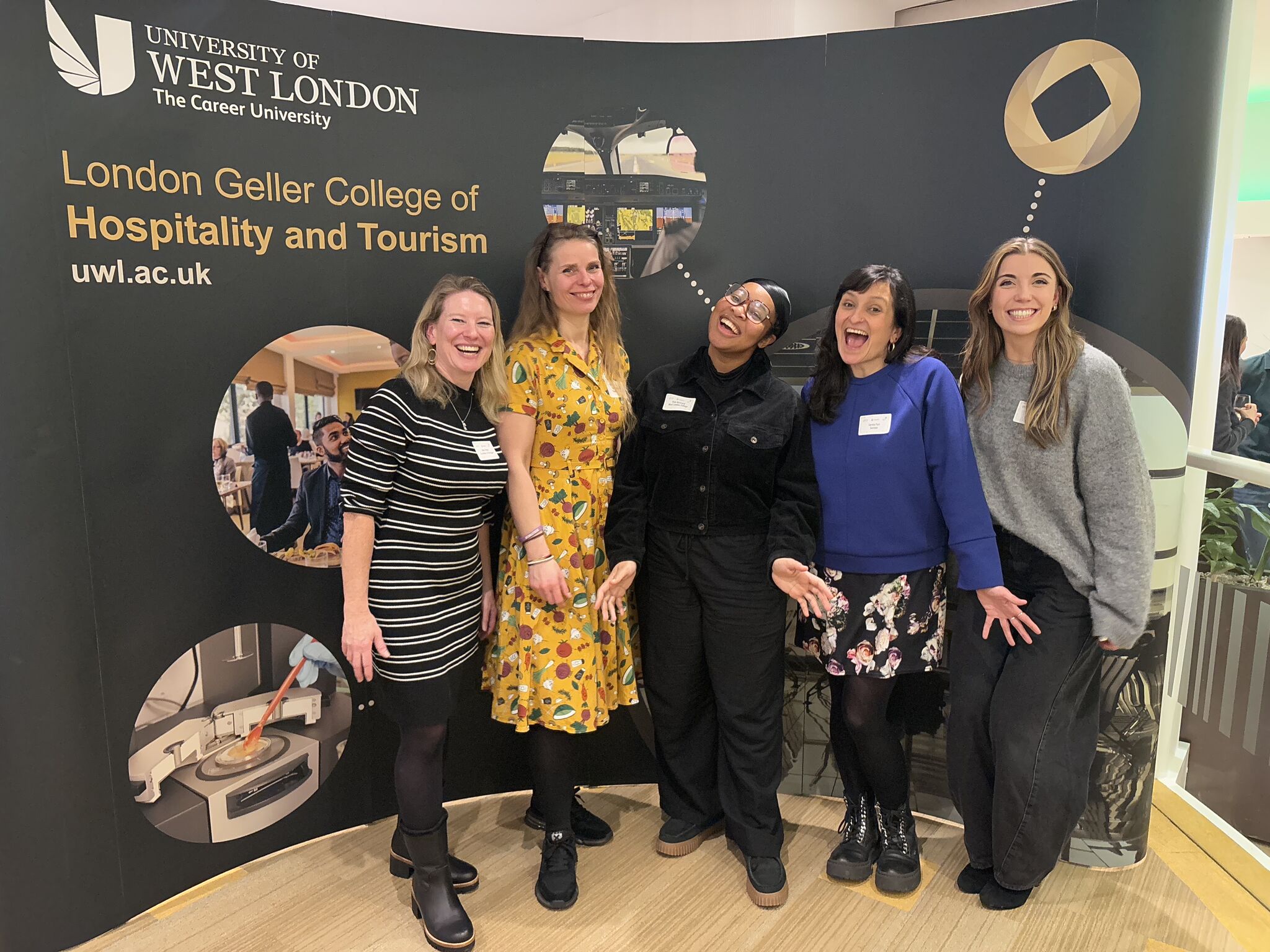



Recently, the University of West London (UWL) hosted the launch of ‘Low-Carbon Menus: Tools and Tactics to Empower SME Chefs’, a report authored by PhD researcher Andrea Zick and Amy Fetzer. The report was produced as part of a national research programme supported by UK Research and Innovation, focused on transforming the UK food system.
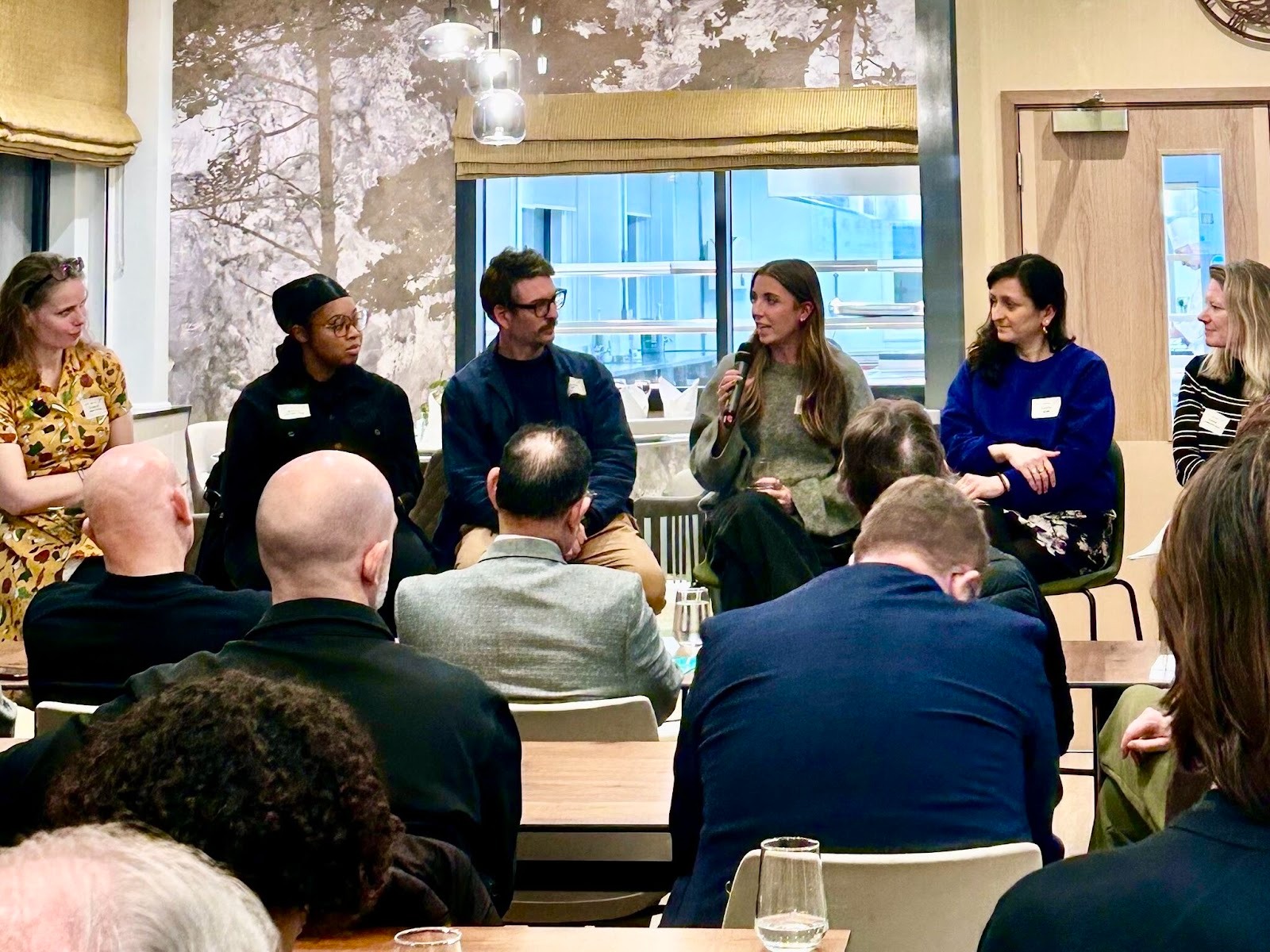
Our Head of Impact, Kate Page, had the pleasure of joining the panel for the launch of the new Low-Carbon Menus report and practical chef toolkit. Alongside chefs, educators, consultants and researchers, the conversation explored practical tools, mindset shifts and techniques that help SME chefs confidently reduce the impact of the food they create.
The report brings together five research studies, including industry interviews, participatory workshops and a 52-week food-waste and procurement-emissions assessment. Providing practical guidance for small and medium-sized businesses.
Hosting the launch at UWL created space for people beyond academia to come together. Chefs, sustainability leads and researchers all gathered in one room, strengthening the connection between evidence and everyday hospitality. The launch took place at UWL’s Pillars Restaurant. It was a fitting setting that reflected exactly what the report called for: A closer collaboration across education, industry and policy.
The report highlights the important role SME chefs play in reducing food-related emissions. Ingredients, rather than operations, account for the majority of emissions in hospitality, making menus one of the most powerful aspects for change.
Some of the key findings include:
- Chefs’ agency is a pivotal enabler of low-carbon transformation.
- Time, data and hands-on learning influence whether sustainability knowledge becomes daily practice.
- Many SMEs operate without integrated emissions or waste data.
Small, targeted menu changes can significantly reduce both carbon and cost while maintaining quality and guest satisfaction.
The toolkit helps break these insights into practical actions that chefs can immediately adopt into their process.
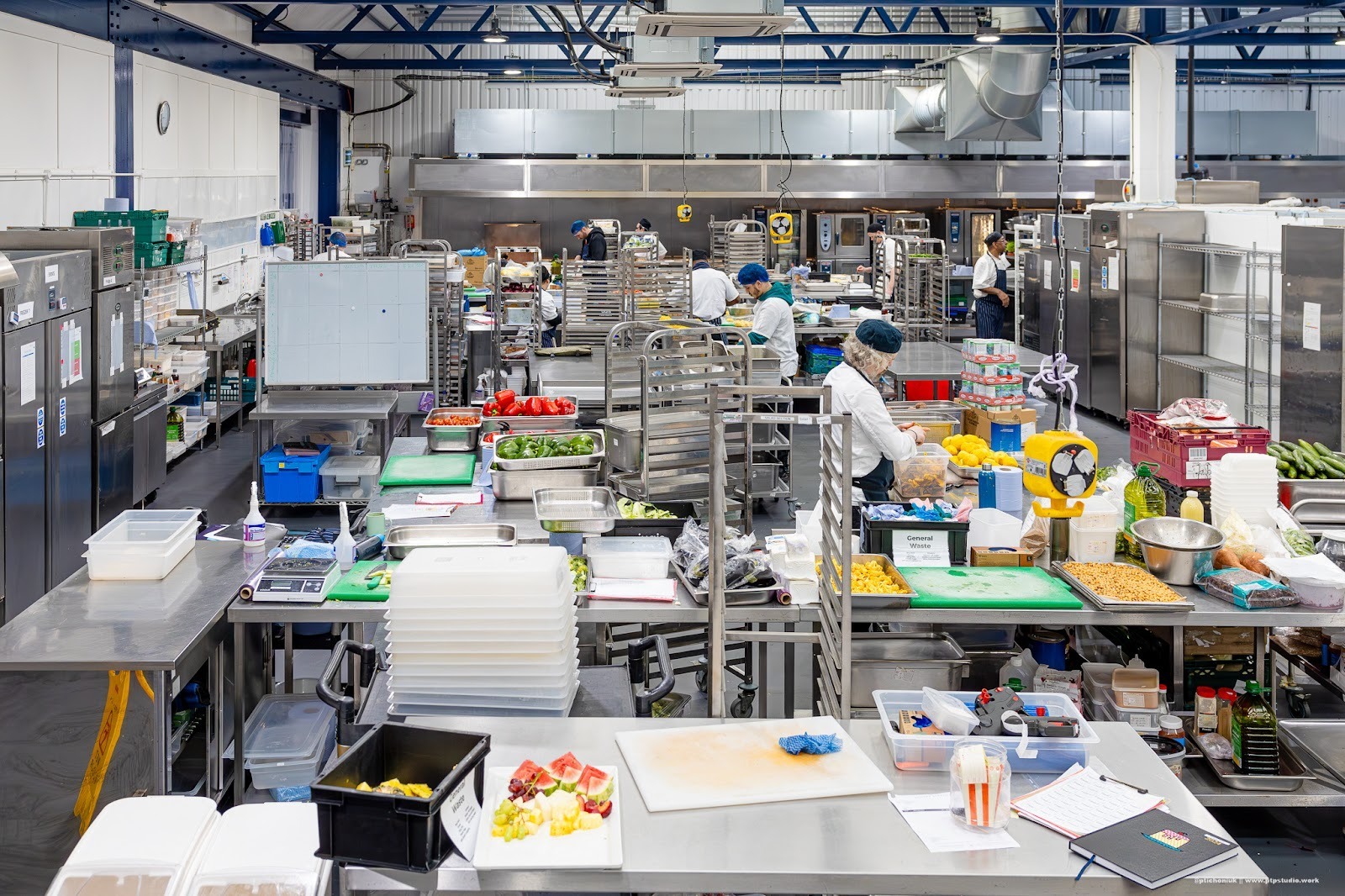
At Fooditude, sustainability is at the heart of our operations. It’s present in the way our chefs adapt dishes like meatballs and koftas using pulses, reducing meat by 50% while keeping the same great flavour. It’s reflected in our use of carbon labelling, helping our teams understand and measure our impact. It’s present in small but meaningful choices, like using salmon trimmings to enrich fishcakes rather than letting them go to waste.
For us, this isn’t new thinking; it's how we work every day. A huge well done to Andrea for leading this research and to everyone on the panel for the inspiring conversations. We’re excited to keep supporting chefs who are working to make positive change within our business and across the wider hospitality sector.
Together, it’s about shaping a sustainable and resilient food system that can drive lasting change.
 Previous post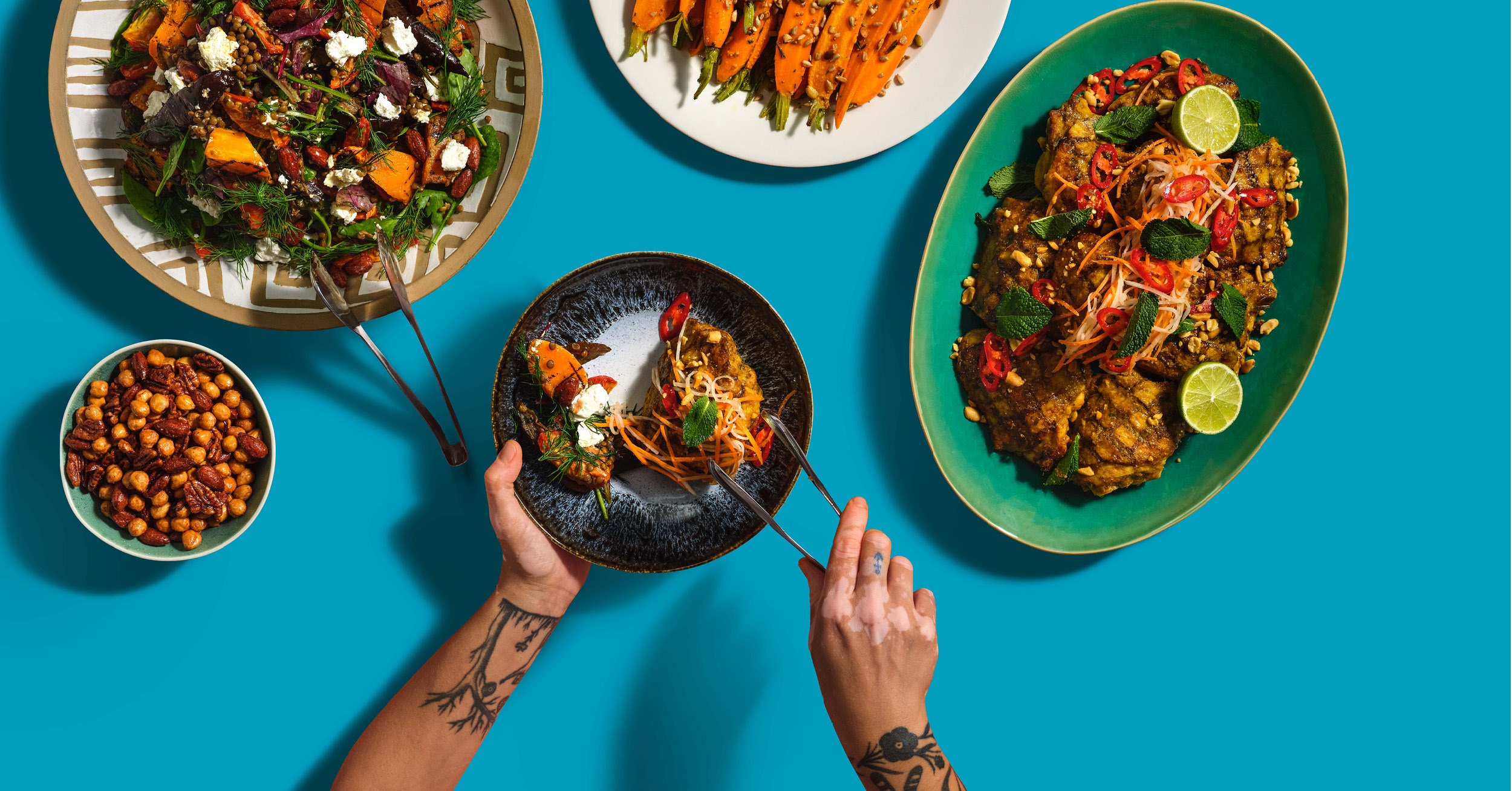
.jpg)