


During Mental Health Awareness Week in May, the team at Fooditude took a closer look at the connection between food and mood. It is well known that a good diet works wonders for our physical health, but its impact on our mental wellbeing gets less attention. Through our Function Food concept, we explored how thoughtful nutrition in our menus can support both mental and physical wellbeing in the workplace and at home.
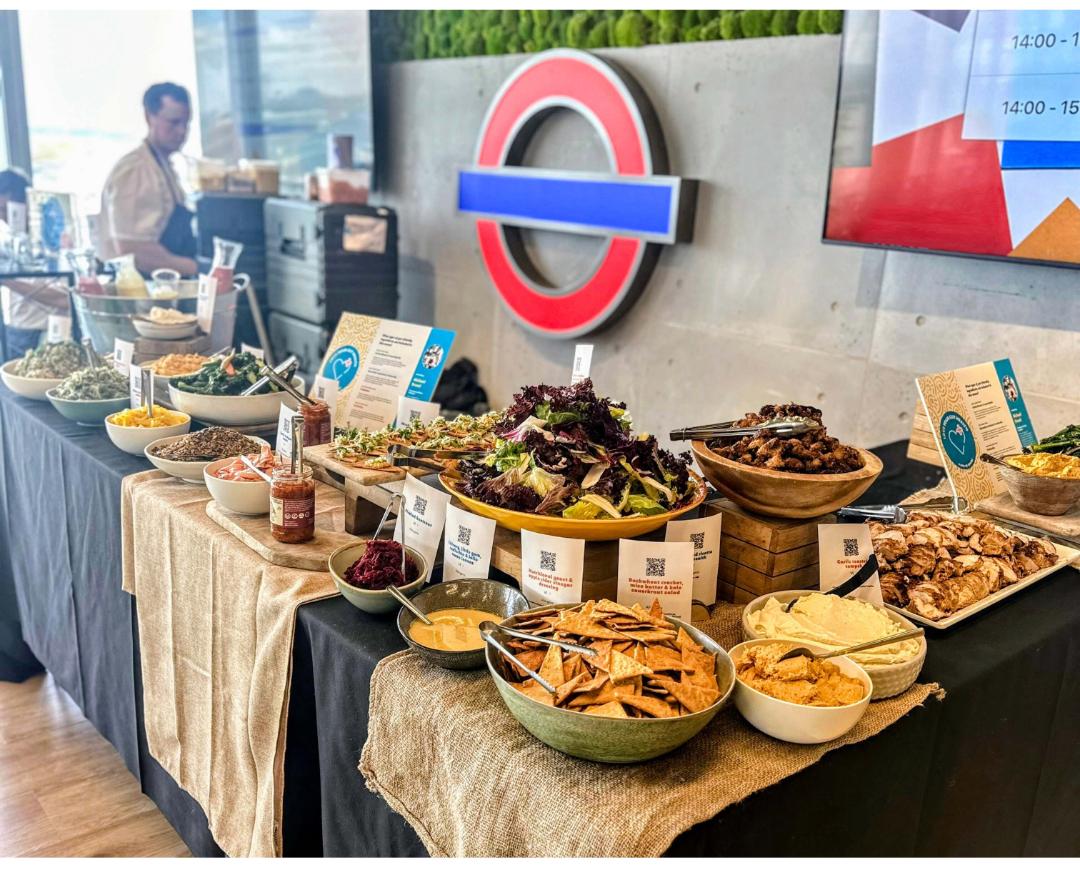
For the Function Food initiative, our Development Chef Michael Broad created a menu of customisable dishes designed to fuel the working day. Built around fresh salads, proteins and fermented goods, each dish was balanced for both flavour and nutrition to support energy, focus and overall wellbeing. Highlights from the day’s menu included:
Spinach, celery and apple juice – A blend rich in antioxidants, vitamin C and phytonutrients, helping to support stable energy levels and stay focused.
Kimchi chopped salad – Packed with probiotics and prebiotic fibre to support gut health, which plays an important role in our mood.
Curried soy eggs – Providing protein and choline to support neurotransmitter function, alongside soy isoflavones for balanced energy and serotonin support.

Fuelling The Brain and The Importance of Gut Health
Food and its impact on mental health are increasingly recognised by leading mental health organisations. According to the Mental Health Foundation, there are clear connections between diet and mood, energy and focus. Eating well together as a team further strengthens these benefits. Let’s get into the science of it.
The brain relies on a steady supply of nutrients to perform at its best. This includes a balance of carbs, healthy fats, amino acids, vitamins and minerals alongside good hydration. Add in the growing body of research on gut health and mental wellbeing, and it becomes clear to see that what we eat can influence how we feel day to day.
This is one of the reasons why, at Fooditude, we are adding more gut-supportive ingredients into our menus, including sustainably made kimchi from The Ferm, fermented vegetables, legumes and probiotics, alongside fibre-rich dishes such as our Rainbow Root & Bean Salad. Our chefs work closely with nutritionists to build menus that prioritise mental wellbeing.
The Effect of Healthy Lunches in the Workplace
Improved Focus and Productivity – A lunch rich in protein, carbohydrates and healthy fats helps employees maintain their focus throughout the afternoon rather than the all-too-familiar post-lunch slump.
Emotional Management and Resilience – The brain uses certain nutrients, like amino acids to regulate thoughts and feelings. Foods such as eggs, legumes, fish and soy-based proteins are great for supporting energy levels and mental clarity for busier working days.
Supporting Hydration and Performance – We hear a lot about staying hydrated, and for good reason. Slight dehydration can affect mood and concentration, so access to healthy drinks and water-based ingredients in your meals can help employees stay sharp throughout the day.
A Sense of Community – It isn’t just about nutrients; shared mealtimes also play a huge role in mental health and community. Loneliness increases the risk of low mood; eating together provides a moment for social connection, routine and strengthening relationships, improving work culture and team dynamics.

Fostering Good Work-Life Balance Through Healthy Office Lunches
Many organisations overlook healthy eating when working on wellbeing initiatives. The focus usually stays on flexible working, mental health support programmes and employee assistance services. While these are important, nutrition is left out despite being the foundation for mental and physical wellbeing.
Not only can a nourishing lunch support energy, focus and productivity, but it also helps with stress management, reduces afternoon fatigue, and eases the social isolation that can come with desk-based working. The benefits of healthy work lunches support employees to feel more balanced and able to manage the demands of work and personal life.
Being able to pursue hobbies, spend time with family and friends, and enjoy proper rest after a long day's work is something organisations work tirelessly to establish for their teams. Thoughtfully curated menus focused on nutrition and functional benefits are a vital part of making this a reality.
The Future of Workplace Wellbeing Starts on the Plate
Workplace catering has evolved beyond grabbing a quick meal between meetings. It is about creating environments where people feel energised, focused and supported throughout the work day and at home. At Fooditude, our Function Food concept shows how healthy workplace catering goes beyond simply feeding people. We are helping organisations build workplaces where their teams thrive professionally and personally.
Supporting your workplace's mental wellbeing starts with what's on the menu. Explore Fooditude's Food Programmes to take the first step.

 Previous post