


Remember when tech giants made headlines with their ultimate free food programmes? Those stories painted a picture of workplace dining as the ultimate perk: unlimited snacks, gourmet lunches, and barista-quality coffee available at the touch of a button. Then came the pandemic, hybrid working, and economic uncertainty, leading many to predict the end of the office food era.
But here's the thing: free food isn't disappearing from our workplaces - it's evolving. Workplace dining is growing up. But here's the thing: free food isn't disappearing from our workplaces; it's evolving. Workplace dining is growing up.
We're seeing a fundamental shift in how forward-thinking organisations approach food at work. What was once viewed primarily as a recruitment tool or employee perk is transforming into something more strategic, more purposeful, and ultimately more valuable.
This maturation reflects the complex realities of today's workplace. With hybrid working now firmly established and companies facing continued economic pressures, the old model of blanket food provision simply doesn't make sense anymore. But rather than eliminating food programmes altogether, smart businesses are reimagining them to deliver greater impact in more targeted ways.
Let's explore how workplace dining is evolving and why its strategic importance has never been greater.
How Hybrid Work and Budget Pressures Are Shaping the Future of Office Food Services
The post-pandemic workplace looks dramatically different. Most companies have settled into hybrid patterns that bring teams together for 3-4 days each week, with flexibility around which days employees attend. This shift has profound implications for food service.
Building Trust & Flexibility
With trust and a strong sense of company culture, hybrid workplaces can result in a happy and productive workforce. Ideally, employees can use their ‘at home’ days to hunker down on more focused tasks and use the office for more collaborative work. The flexibility of choosing where to work empowers people to make the best choices for their productivity and for their wellbeing.
Hybrid is not a perfect system; productivity may dwindle for employees working from home, and employees who go to work for social connection may be greeted by an empty office. Employers and employees must work together and compromise to make the flexible ‘hybrid’ solution a real success.
Adjusting the Flow of Service
Flexible hybrid solutions come with a paradox: elevated expectations despite tightened budgets. So, caterers must now drive new creative solutions. Rather than spreading resources thinly across the entire week, many organisations are concentrating their food budget on days when attendance peaks, typically Tuesday through Thursday.
"What we're seeing is that companies still want to provide excellent food experiences but need to do more with less," says Dean Kennett, Fooditude's Managing Director. "The workplace teams we work with are under tremendous pressure to enhance the office experience while simultaneously controlling costs."
The solution? A transition from daily catering to targeted "food moments" that create maximum impact when collaboration matters most. When teams gather for important meetings or project work, the dining experience becomes more memorable and meaningful, becoming a strategic investment rather than just another operating expense.
Taking a Strategic Approach
We're seeing clients redirect their budgets to create standout experiences on designated days, complemented by lighter or different solutions when fewer staff are present. For instance, a tech client recently shifted from five-day full service to three premium days plus a self-service pantry offering on Mondays and Fridays.
This approach aligns perfectly with the fundamental principle emerging across the industry: strategic concentration of resources is replacing blanket food offerings, delivering greater value when and where it matters most.
From 'Perk' to 'Purpose': Food as a Cultural Strategy
The evolution of workplace food runs deeper than just operational changes. The most significant shift we're witnessing is in how organisations think about the purpose of their food programmes.
Free food began life in Silicon Valley as a productivity hack to keep talented engineers engaged on campus by removing the need to leave for meals. It quickly expanded into a competitive recruitment tool before becoming a widespread employee benefit. Today, it's evolving into something far more purposeful: a deliberate cultural strategy that reflects and reinforces company values.
This means catering that authentically addresses:
- Inclusivity: Ensuring menus respect and celebrate diverse dietary requirements, cultural preferences and religious observances
- Wellness: Offering nutritionally balanced options that support employee health, focus and performance throughout the day
- Sustainability: Demonstrating environmental responsibility through mindful sourcing, reduced waste and eco-friendly packaging
Food has become one of the most visible ways companies demonstrate their values in action. When a workplace prioritises locally-sourced ingredients or offers thoughtful plant-based options, it sends a powerful message about what matters to the organisation, one that employees experience directly rather than just reading in a mission statement.
The shared nature of meals also creates vital connection opportunities in hybrid environments where in-person time is limited. Breaking bread together builds relationships in ways that scheduled meetings never can, particularly when teams might only overlap in the office a few days each week.
Progressive organisations recognise this potential and are designing their food programmes accordingly. They're creating dining spaces and experiences that facilitate meaningful interactions, foster belonging, and strengthen organisational culture. These aspects have become even more crucial as workplaces have dispersed.
The Rise of Smarter Catering Models
As workplace needs evolve, so do the mechanics of how food reaches employees. Traditional all-or-nothing approaches are giving way to more nuanced models that balance generosity with practicality and flexibility.
The Self Service
Office pantry programmes have emerged as a particularly effective solution. "We're exploring sustainable snack programmes that provide quality options while addressing storage limitations," explains Kennett. "Many companies lack space for large quantities of supplies, so we're testing models where snacks can be stored at our facilities and delivered just when needed."
Digital Solutions
Partial payment systems represent another significant trend. Platforms like Kanpla allow companies to subsidise meals while giving employees the flexibility to choose what they want. This transition can be challenging as employees accustomed to fully free meals initially resist change, but when implemented thoughtfully, these models can actually enhance choice while controlling costs.
Technology is enabling these transitions. Platforms that track usage patterns, gather feedback, and measure environmental impact help workplace teams make data-driven decisions about their food programmes. These insights allow for continuous refinement, ensuring catering investments deliver maximum value.
Centralised Operations
Just-in-time delivery is replacing static cafeterias as companies recognise the inefficiency of maintaining full-scale kitchens when occupancy fluctuates dramatically. Smart logistics planning allows food to be prepared centrally and delivered fresh exactly when needed, reducing waste and ensuring quality.
"The pedestrianisation of cities presents another challenge," notes Kennett. "With delivery restrictions growing in urban centres like London, we're developing new approaches to service offices outside standard hours, preparing for the next day's needs in advance."
The result of these innovations? More tailored food experiences that adapt to changing workplace patterns without requiring increased spending, which is precisely what today's organisations need.
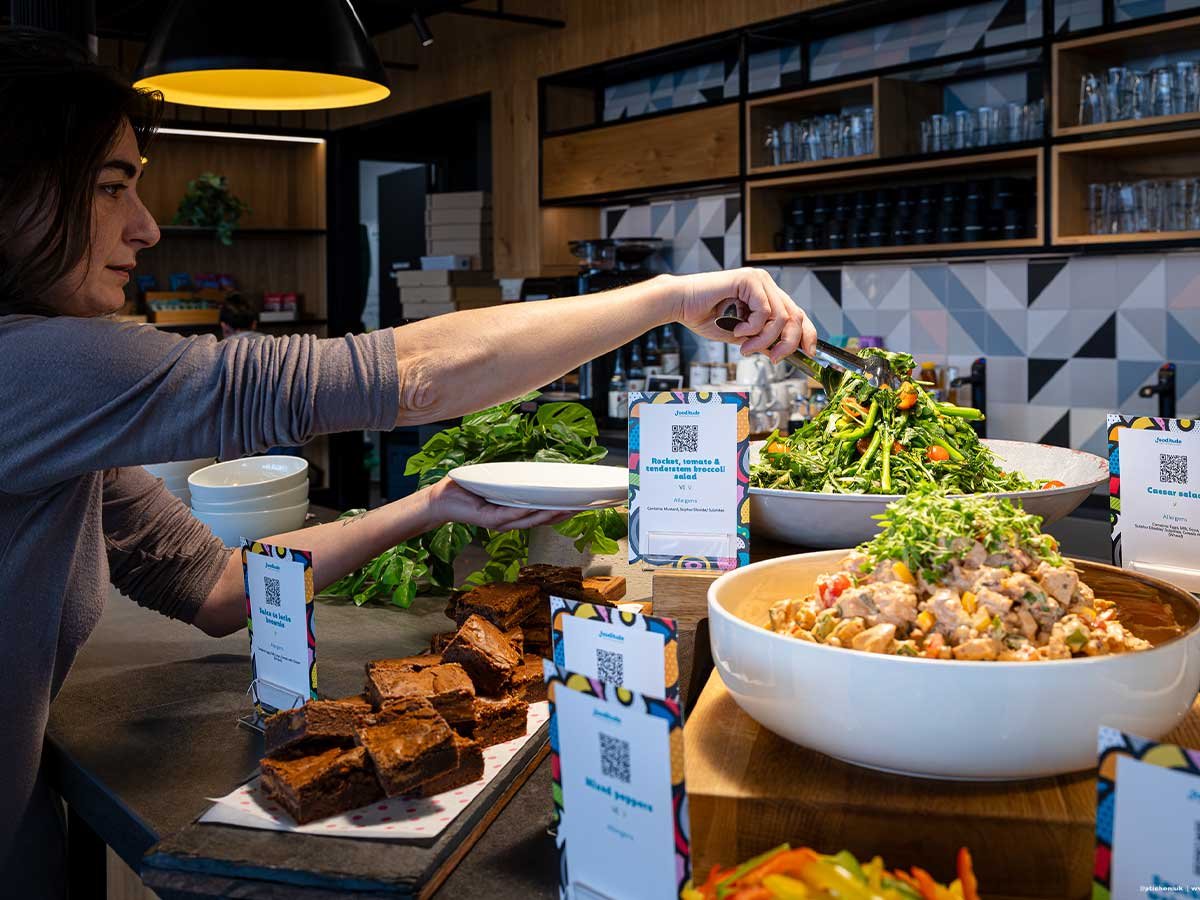
Employee Expectation & Dining Experience
There’s no doubt that the occasional ‘WFH’ day provides employees with freedom from a rigid work structure and reduces the stress factors of ‘going in’ five days a week.
Work-from-home days can help employees not feel overwhelmed by their working weeks. Reducing commuting hours gives employees extra time to catch up on sleep, keep up with household chores and exercise more regularly.
Hybrid working, when well managed, can support employees’ long-term wellness and satisfaction, therefore, their long-term productivity. However, employees need to step up to the mark to ensure they keep their home working days productive against the temptations of home comforts. Moreover, employers need to trust their workforce to take ownership of their productivity levels.
In turn, today's professionals bring sophisticated expectations to workplace dining. Having navigated a global pandemic that fundamentally changed our relationship with food, employees increasingly value:
- Personalisation: Options that accommodate their specific preferences, dietary restrictions and healthy eating
- Quality and provenance: Understanding where high-quality food comes from and how it's prepared
- Environmental responsibility: Visible commitment to donating or using surplus food, reducing food waste and single-use plastic packaging
- Convenience: Seamless mobile ordering through apps and flexible collection options
The days of one-size-fits-all corporate catering are firmly behind us. Employees appreciate choice and transparency, even if that means contributing towards premium options or special requests. What matters most is that the food offering feels thoughtful, relevant and aligned with both personal and organisational values. This personalised approach is best integrated into digital solutions where employees are able to customise their meal choices through digital ordering systems.
There's also been a notable shift in how employees perceive "free" food. Rather than simply expecting unlimited complimentary options, today's professionals are more concerned with value alignment. They'd rather have a thoughtfully prepared meal that reflects their environmental values three days a week than unlimited processed snacks every day.
This maturity extends to technology interfaces. Employees expect digital platforms that allow them to view menus in advance, provide feedback, and make personalised choices. When introducing partial payment models, the experience must be seamless. Complicated systems that create friction at lunchtime quickly undermine their benefits.
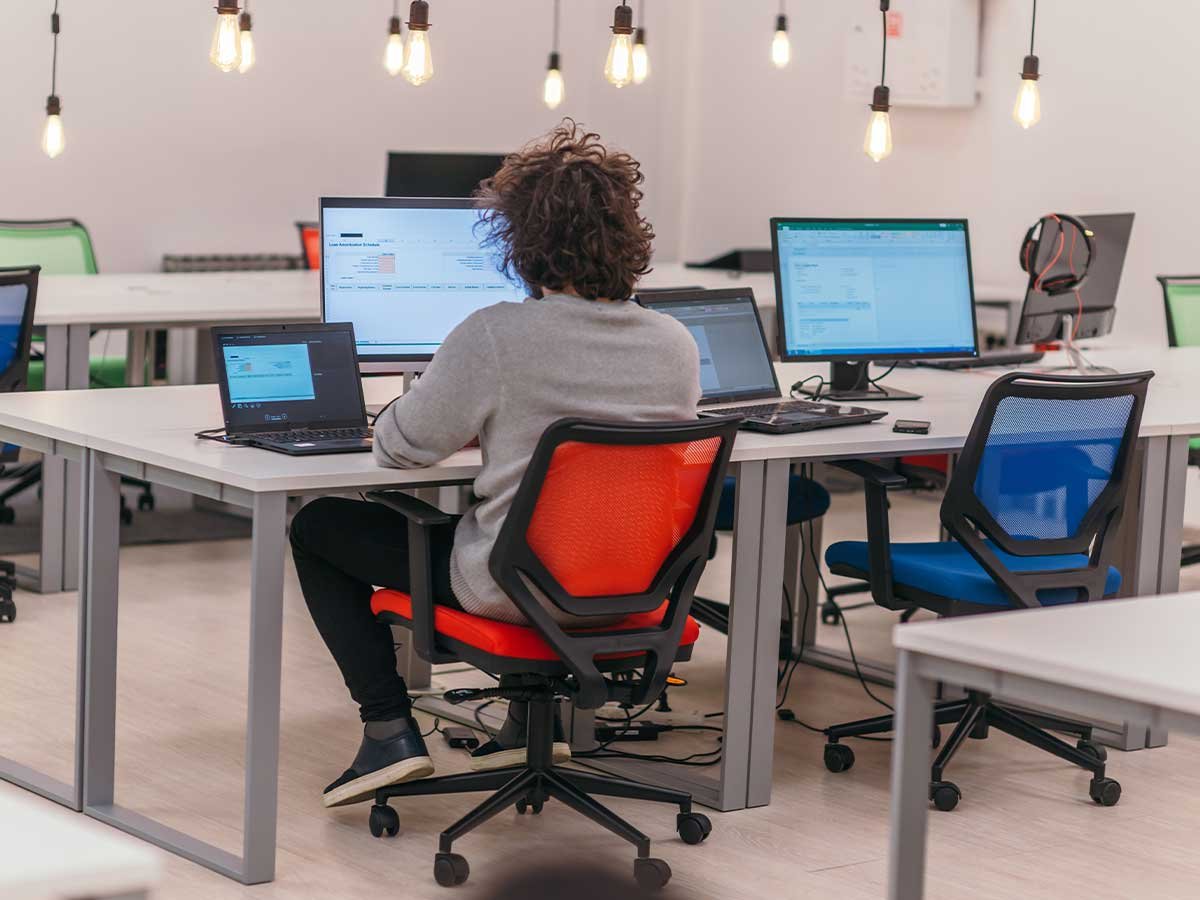
Action Plan for Workplace Experience Directors
If you're responsible for your organisation's food programme, now is the ideal time to reassess your approach. Consider these practical steps:
Audit your current catering model against actual attendance patterns
Begin by gathering data on office occupancy throughout the week. Which days consistently see the highest attendance? When do most collaborative meetings occur? Understanding these patterns helps identify when food service delivers maximum value.
Compare your current food expenditure against this attendance data. Are you spending proportionately more on days when fewer people are present? This analysis often reveals immediate opportunities for optimisation.
Pilot flexible solutions based on attendance patterns
Consider testing different service levels for different days. On peak days, invest in full-service options that create memorable experiences. For lower occupancy days, explore alternatives like:
- Well-stocked pantry services with quality grab-and-go options
- Partially subsidised meal options through platforms like Kanpla
- Pop-up food experiences or special events that create buzz on typically quieter days
Start with a limited trial period and collect robust feedback before expanding.
Gather meaningful feedback beyond employee satisfaction metrics
Move beyond simple "Did you enjoy your meal?" surveys to understand the deeper impact:
- How does food provision influence the employees' decision to come into the office?
- To what extent do shared meals facilitate cross-team collaboration?
- How do employees perceive the alignment between food offerings and company values?
This richer feedback helps quantify the strategic value of your food programme beyond simple cost-per-head calculations.
Select partners with flexibility and innovation capabilities
The catering partner you choose should demonstrate:
- Adaptability to changing headcounts and service models
- Commitment to sustainability practices that align with your values
- Technology capabilities that enhance the user experience
- Willingness to collaborate on creative solutions unique to your needs
The right partner becomes a strategic advisor, not just a food supplier.
Measure what truly matters
Develop a balanced scorecard that captures the full impact of your food programme:
- Financial metrics: Cost per head, waste reduction, space utilisation
- Experience metrics: Satisfaction, perceived value, quality ratings
- Strategic metrics: Attendance influence, collaboration impact, culture alignment
- Sustainability metrics: Carbon footprint, packaging reduction, ethical sourcing
This comprehensive view enables more informed decisions about future investments.
The most successful workplace dining programmes share a common trait: they're built on a genuine understanding of what brings people to the office and what makes them feel valued when they're there. Food plays a powerful role in both.
Conclusion
Free food isn't dead, it's growing up, and its full potential is being realised. The future belongs to organisations that thoughtfully evolve their approach to workplace dining, creating food experiences that reflect new work patterns, changing employee expectations and broader societal concerns.
By viewing catering as a strategic investment rather than simply an expense, companies can transform their food programme into a powerful tool for building culture, fostering connection and demonstrating values in action. The return on this investment comes in the form of employee engagement, stronger teams and a workplace that people genuinely want to be part of.
What distinguishes workplace catering from restaurant dining is precisely this sense of belonging. In a restaurant, you're always a guest, but good workplace dining creates a feeling of comfort comparable to gathering around your own kitchen table. This sense of homeliness and community can't be replicated through occasional team lunches at external venues. It requires consistent, thoughtful food experiences that become woven into the fabric of workplace life.
Corporate Catering with Fooditude
As you consider the future of your organisation's approach to food, the question isn't whether to provide it, but how to evolve your offering to deliver maximum value in a changing world. The most successful programmes will be those that balance practical considerations with strategic vision, creating food experiences that are technology-driven and health-focused for programmes that truly nourish both individuals and the organisation itself.
Ready to reimagine your workplace dining experience? The time to evolve your approach is now, so chat to our team to get started.
 Previous post