


Advice on eating healthy is everywhere, but knowing where to start from can often feel overwhelming. While there's no shortage of information about gut health, the biggest difference often comes from simple, practical habits that fit into everyday life.
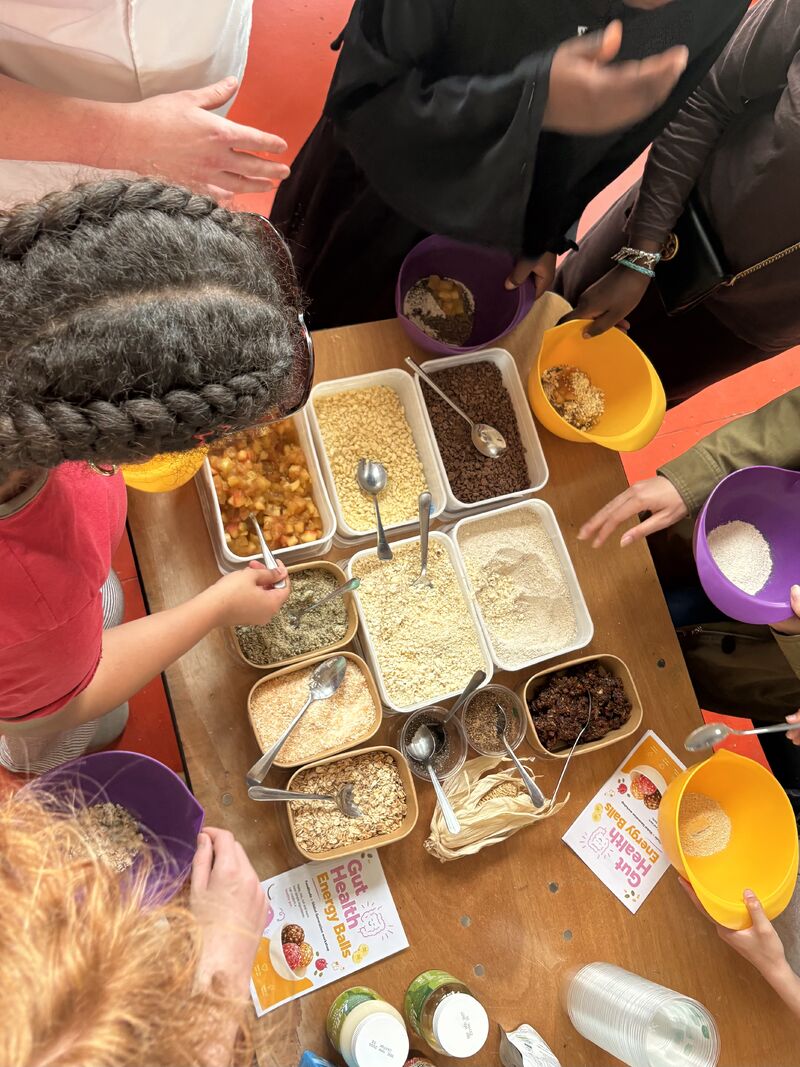
That was the focus of a recent workshop Fooditude delivered in partnership with Global Generation, a local charity that creates opportunities for young people to connect with nature, food and wellbeing. Led by our Development Chef, Michael Broad, who specialises in nutrition, the session explored gut health in a way that was engaging, but also accessible and easy to put into practice.
Rather than focusing on complicated diets or the latest food trends, the workshop highlighted how small, everyday choices can support overall wellbeing.
Why Gut Health Matters
Often referred to as the body's "second brain", the gut plays an important role in far more than digestion. A healthy gut microbiome supports the immune system, helps the body absorb nutrients and is increasingly linked to mood and mental wellbeing.
Looking after your gut doesn't require big lifestyle changes. Eating a varied diet, including plenty of fibre, fruit and vegetables, alongside fermented foods where possible, can all help support a healthy balance of gut bacteria.
It's these achievable habits that formed the heart of the workshop.
Making Healthy Eating Practical
One of the most valuable parts of the afternoon was showing that nutritious food doesn't have to be complicated or time-consuming.
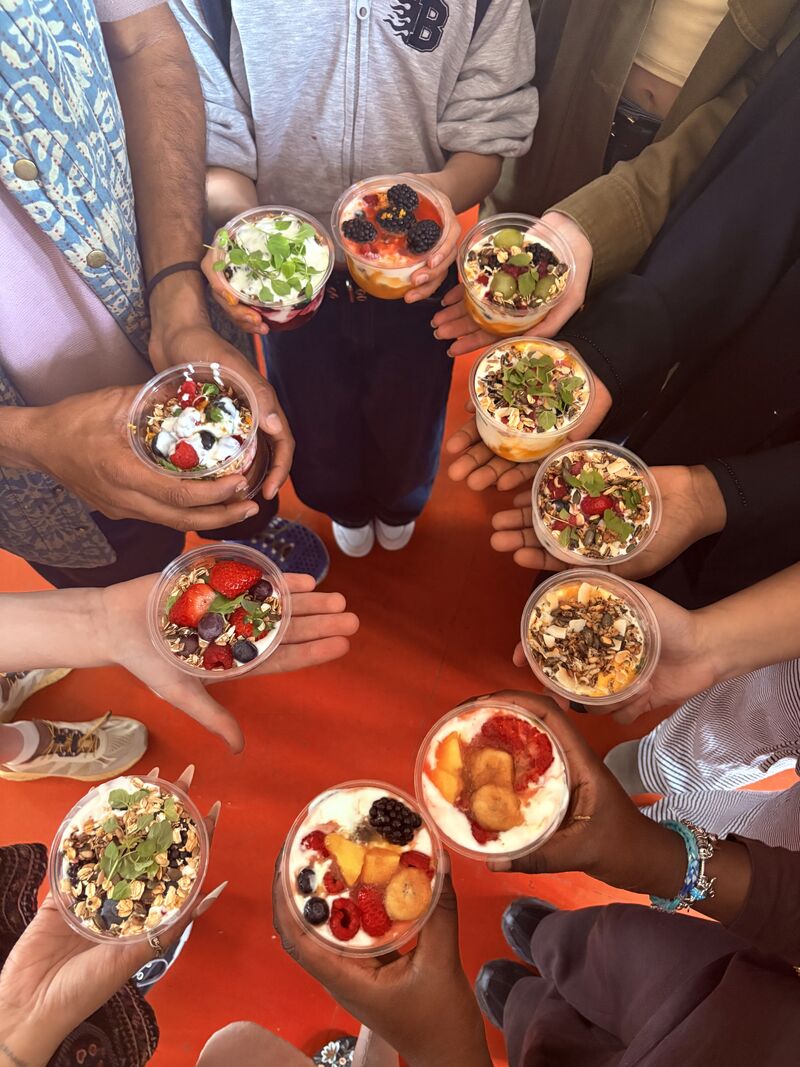
Together, the group prepared a selection of gut-friendly recipes, including energy balls, breakfast yoghurt pots with homemade berry compote and kefir smoothies. Along the way, Michael shared practical tips about choosing ingredients that support gut health and how easy it can be to build healthier habits into a busy routine.
The emphasis wasn't on perfection. It was about giving everyone the confidence to try something new and discover recipes they could easily recreate at home.
Small Changes Can Have a Big Impact
At the end of the workshop, participants reflected on what they'd learned, and their responses captured exactly why practical food education is so valuable.
For Kate Page, Head of Impact at Fooditude, reading these reflections afterwards highlighted just how powerful hands-on food experiences can be. Rather than complex advice or detailed nutrition guidance, it was the act of trying, tasting and creating that made the biggest difference.
"Today I tried everything, even things I would usually not eat."
"I have learnt how easy it is to look after myself internally and externally."
"Making granola bars isn't as hard as it looks, as long as you put your heart into what you're making."
These reflections highlighted an important aspect, which was building healthier habits often starts with confidence rather than knowledge alone. When young people have the opportunity to taste new ingredients, ask questions and prepare food themselves, healthy eating feels much more achievable.
Building Habits That Last
One of the key messages throughout the session was that lasting change doesn't come from completely overhauling your diet overnight. Instead, it's about making small choices that gradually become part of your routine.
Whether that's eating breakfast more regularly, preparing overnight oats in advance, adding an extra portion of fruit to your day or choosing gut-friendly snacks, these manageable steps are often the ones that stick.
By making healthy eating feel realistic rather than restrictive, it's easier to build habits that support long-term wellbeing.
Sharing Knowledge Beyond the Workplace
At Fooditude, we're passionate about creating food that helps people feel their best, but we also believe in sharing the knowledge behind it. Our partnership with Global Generation is one of the ways we support our local community, helping young people build confidence in the kitchen while learning how food can support their health.
It was inspiring to see the curiosity and enthusiasm throughout the workshop, with thoughtful questions and open conversations and a genuine willingness to try something new.
For Kate Page, Head of Impact at Fooditude, the most encouraging takeaway was the openness of the group and the willingness to engage fully in the experience.
It is that spirit of curiosity that is at the centre of our food education programmes. It is also about giving people practical skills, and building confidence around making healthy choices and how enjoyable and accessible it can be.
 Previous post