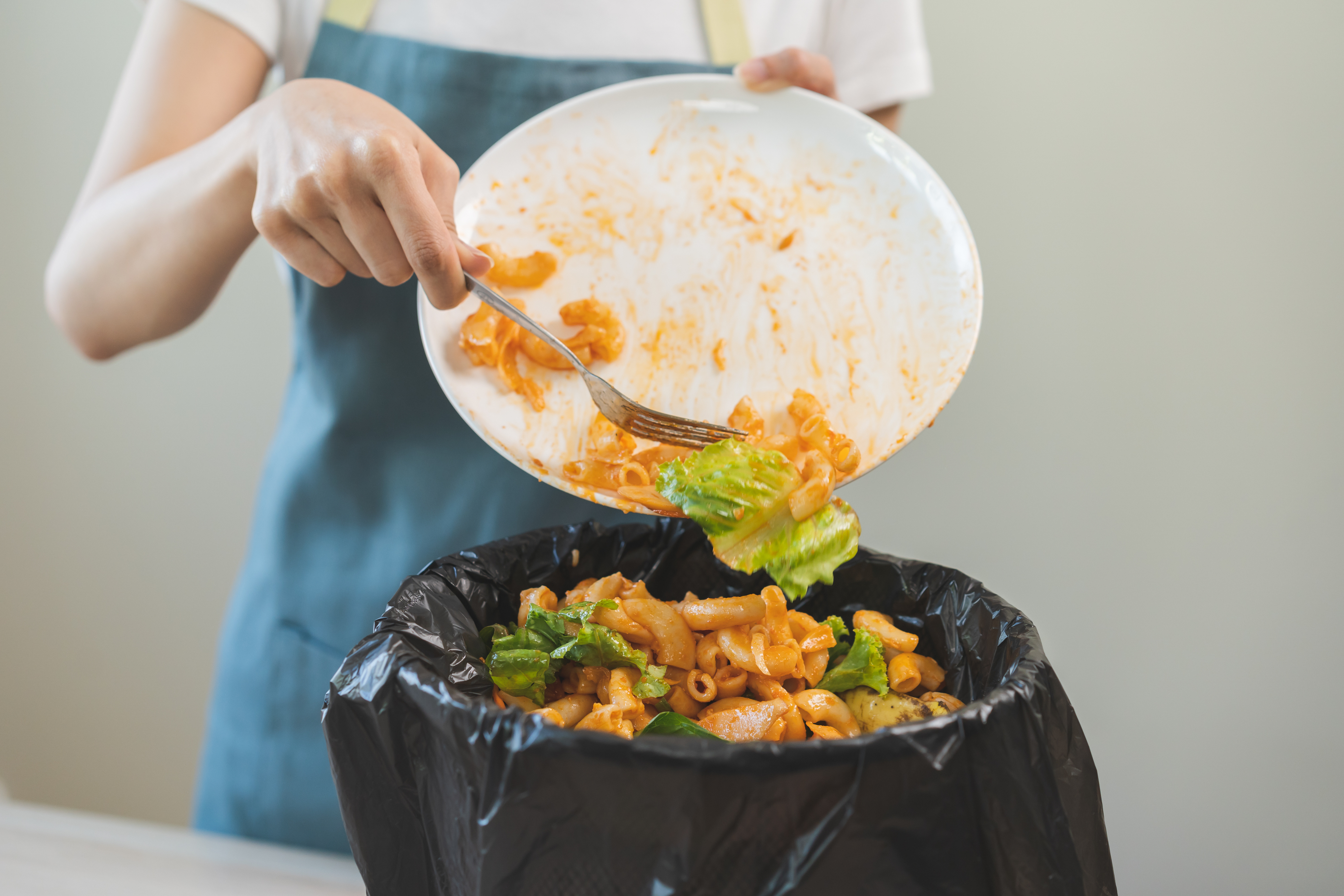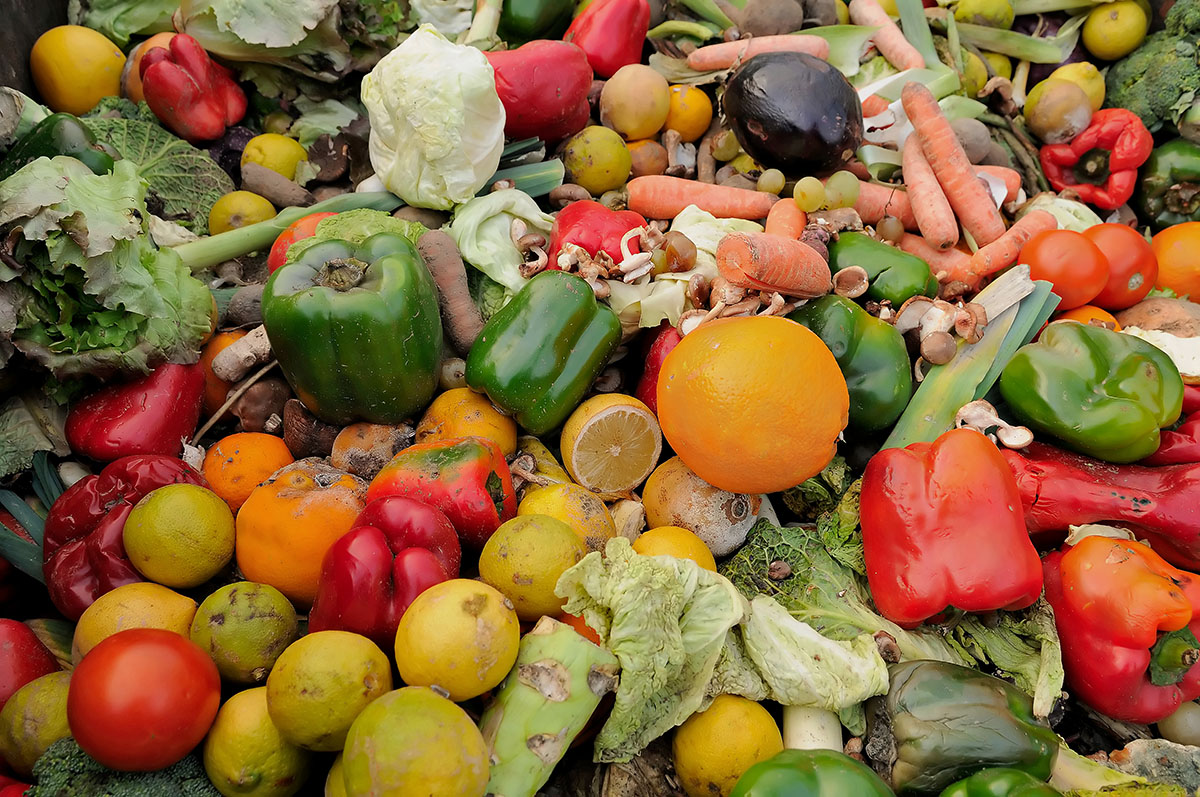



Food waste often happens long before food reaches the bin. Wastage can start any point, from ordering too much, preparing more than what is needed or trimming ingredients that could have been put to better use.
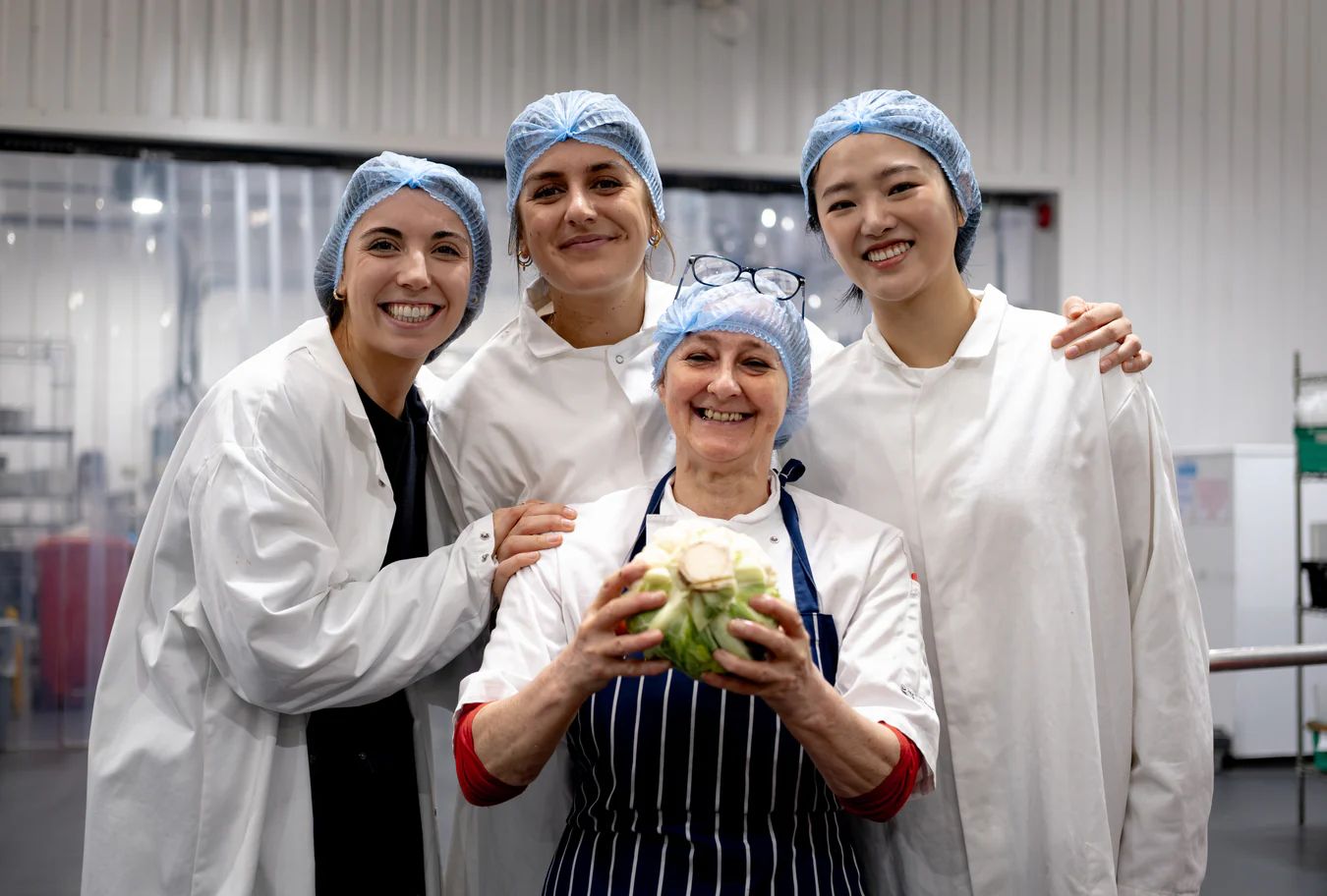
At Fooditude, our chefs and kitchen teams look into the details to what happens at every stage of preparation in the kitchen. We are always exploring ways to order and prepare food more accurately, keeping an eye on what gets wasted and looking for creative ways to make use of ingredients that might otherwise be thrown away.
Our approach is already making a difference. Between 2024 and 2025, we reduced our total food waste by 46%. Since the beginning of this year, we've also repurposed more than 450kg of vegetables through fermentation, pickling and creative reuse.
Planning food more carefully
Our Food Waste Prevention Programme is tailored to each client and site. It brings forecasting, ordering and production together, so our teams have a better idea of how much food is needed each day.
That's especially important in workplace dining, where the number of people eating on site can change from day to day. The teams keep reviewing what's being produced and what's being used, and adjust their plans accordingly.
This approach helped us reduce food waste by 46% year-on-year between 2024 and 2025.
Keeping a closer eye on what's being wasted
We weigh and track food waste every day. It helps our teams see what's going to waste and, just as importantly, why. It might be food left over from preparation, ingredients that aren't being used as efficiently as they could be or food that's been produced but isn't needed. Once we know where the waste is coming from, we can look at what needs to change.
We're also working on the amount of vegetable trim produced in our kitchens. This is now down to 19g per meal, which is a 23% reduction on the previous quarter.
For our kitchen teams, this means paying closer attention to how ingredients are prepared and finding ways to get more from them.
Finding another use for ingredients
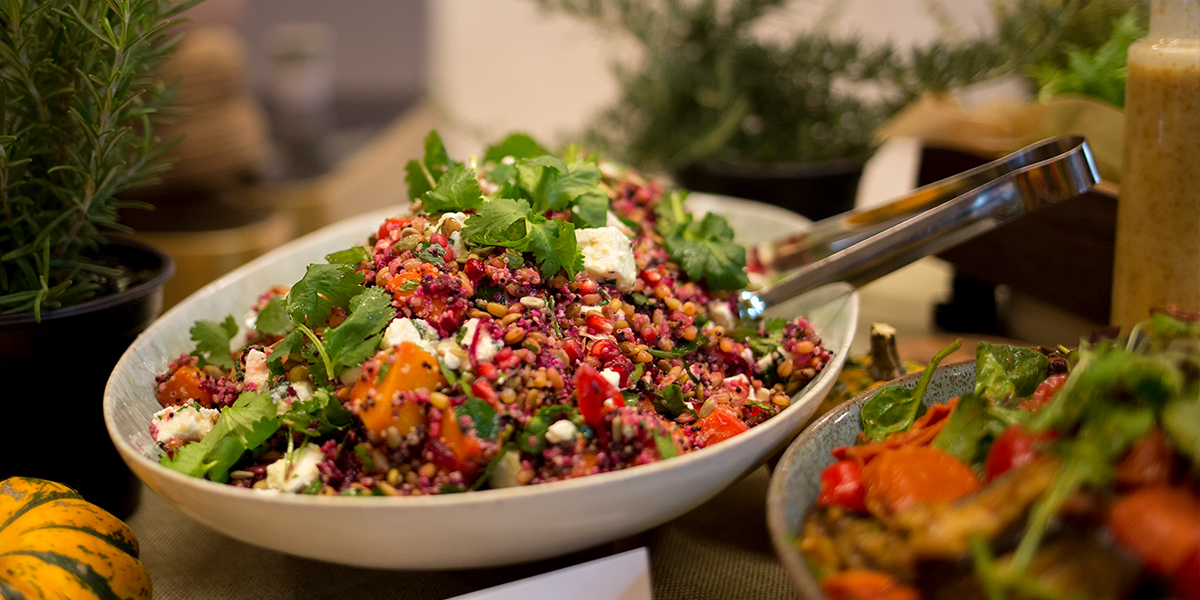
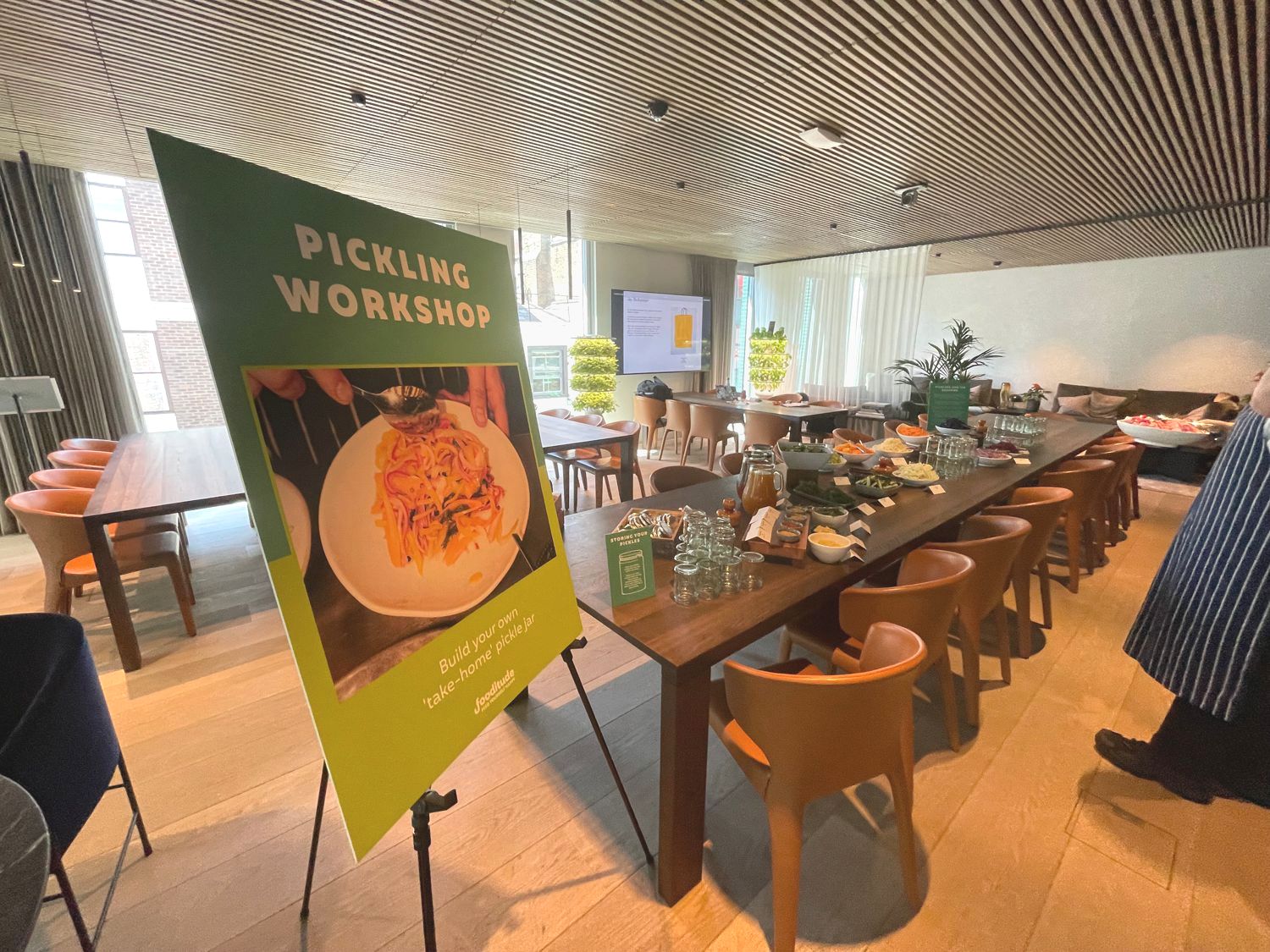
Sometimes, an ingredient doesn't need to become waste at all. It just needs a different use. Since the beginning of this year, we've repurposed more than 450kg of vegetables through fermentation, pickling and creative reuse in our kitchens.
One example is our work with The Ferm. Vegetable off-cuts from our kitchens are given a new purpose through traditional Korean fermentation techniques, becoming kimchi rather than going to waste.
It's a great example of what can happen when chefs look at an ingredient differently. An off-cut doesn't necessarily mean the end of the road for that ingredient.
Keeping waste out of landfill
There will always be some food waste that can't be reused. When that happens, we make sure it doesn't simply end up in landfill.
Our remaining waste is carefully separated and diverted from landfill, so that we're making the best choice possible with what is left.
Our teams are also building their knowledge through training, monitoring and improvements to the way our kitchens work. This helps make reducing waste part of everyday food preparation, rather than something that sits separately from the food we serve.
There's more to do
We're pleased with the progress we've made, but we're not treating food waste as a problem we've solved.
There are always things we can look at more closely like how much we order, how we prepare ingredients, what happens to surplus and where we can find another use for food that might otherwise be discarded.
For our teams at Fooditude, that's what a more circular approach to food looks like in practice. It happens behind the scenes in the kitchen, in the decisions our teams make every day and in the way we think about the food we buy, prepare and serve.
And we're going to keep looking for better ways to use it. Reach out to our teams to lean more about how we can support your workplace mealtimes.
 Previous post