


Food has a way of bringing people together and sometimes it can create opportunities to build confidence and develop practical skills.At Footprint Festival, the UK’s leading sustainability festival for foodservice and hospitality, conversations about the future of food were everywhere, from what was being served to what was being discussed on stage. For Fooditude, it was an opportunity to explore both sides of the same question: how can we create food that is good for people and the planet? Nutrition-led dishes that are delicious, feel-good food can have sustainability at its heart; here’s how.
On the plate: nutrition-led food at Footprint
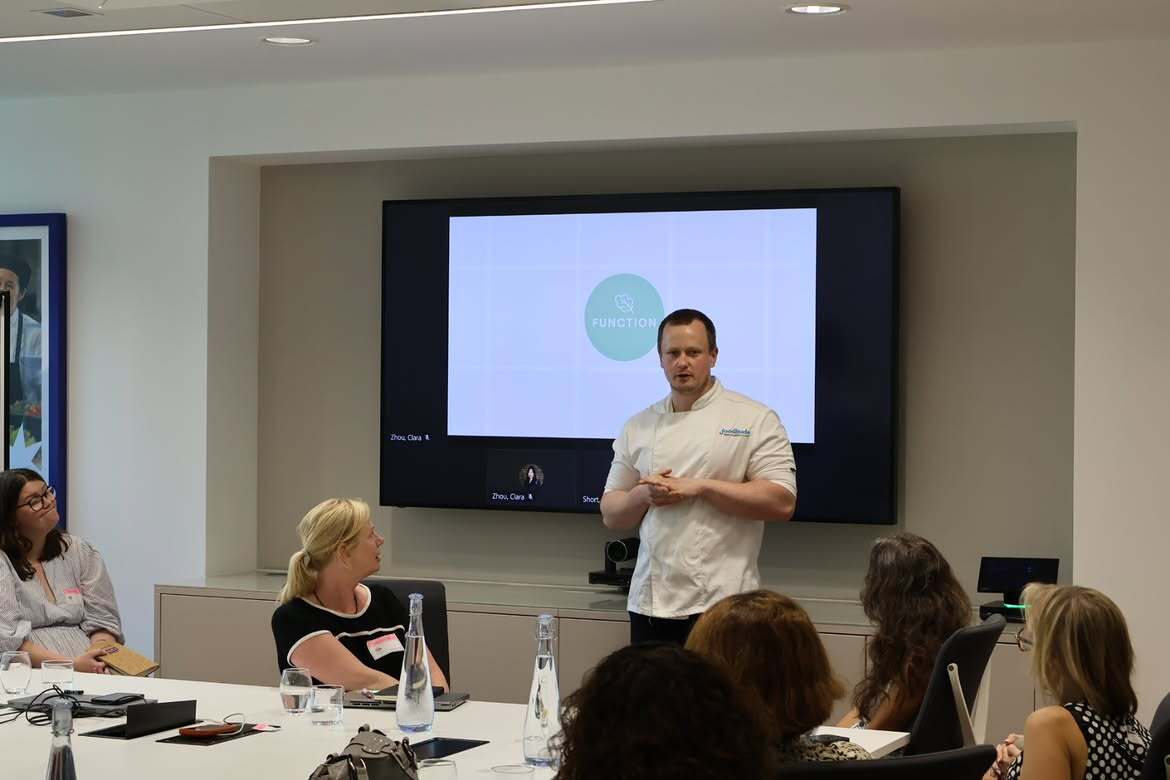
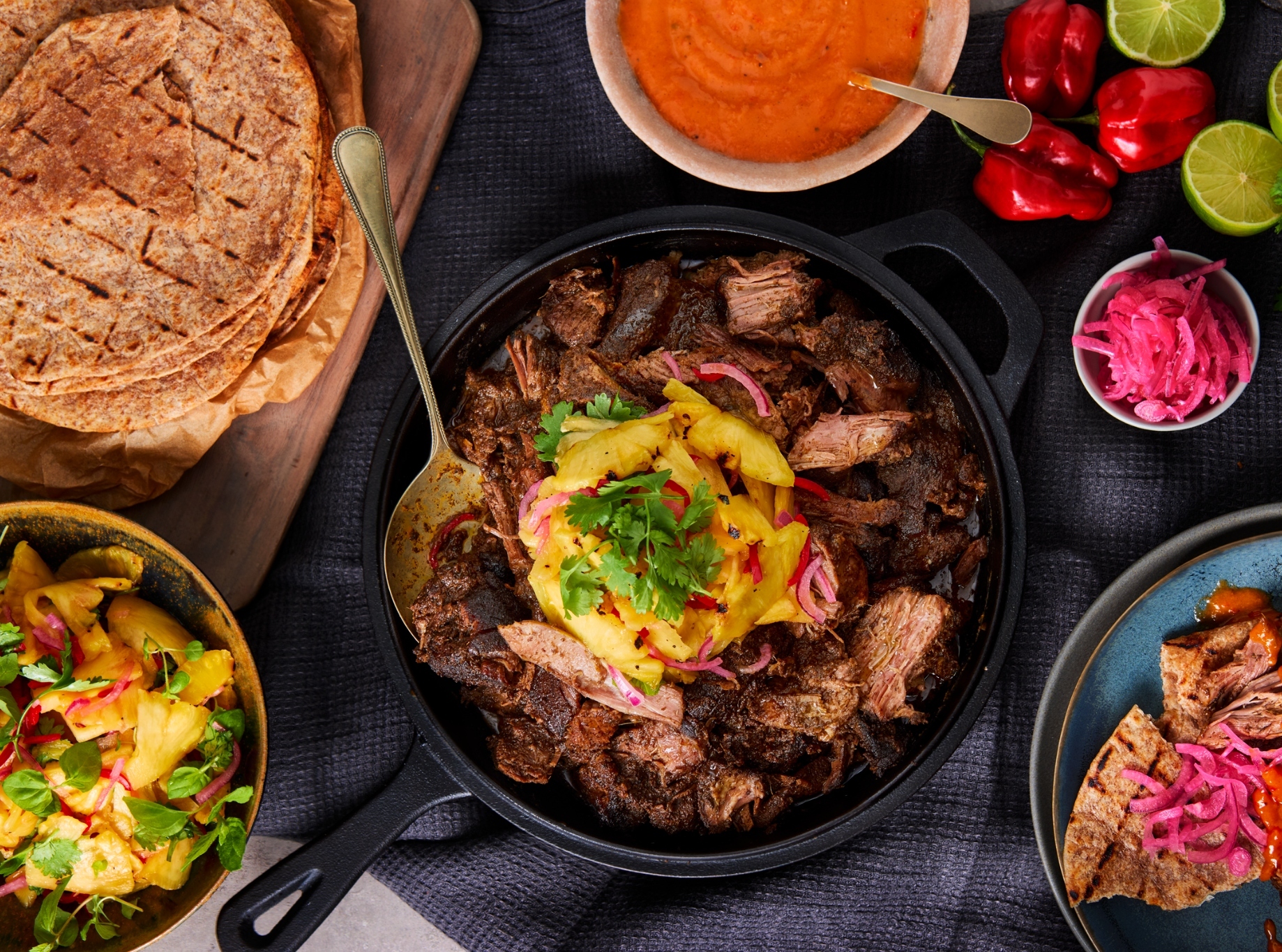
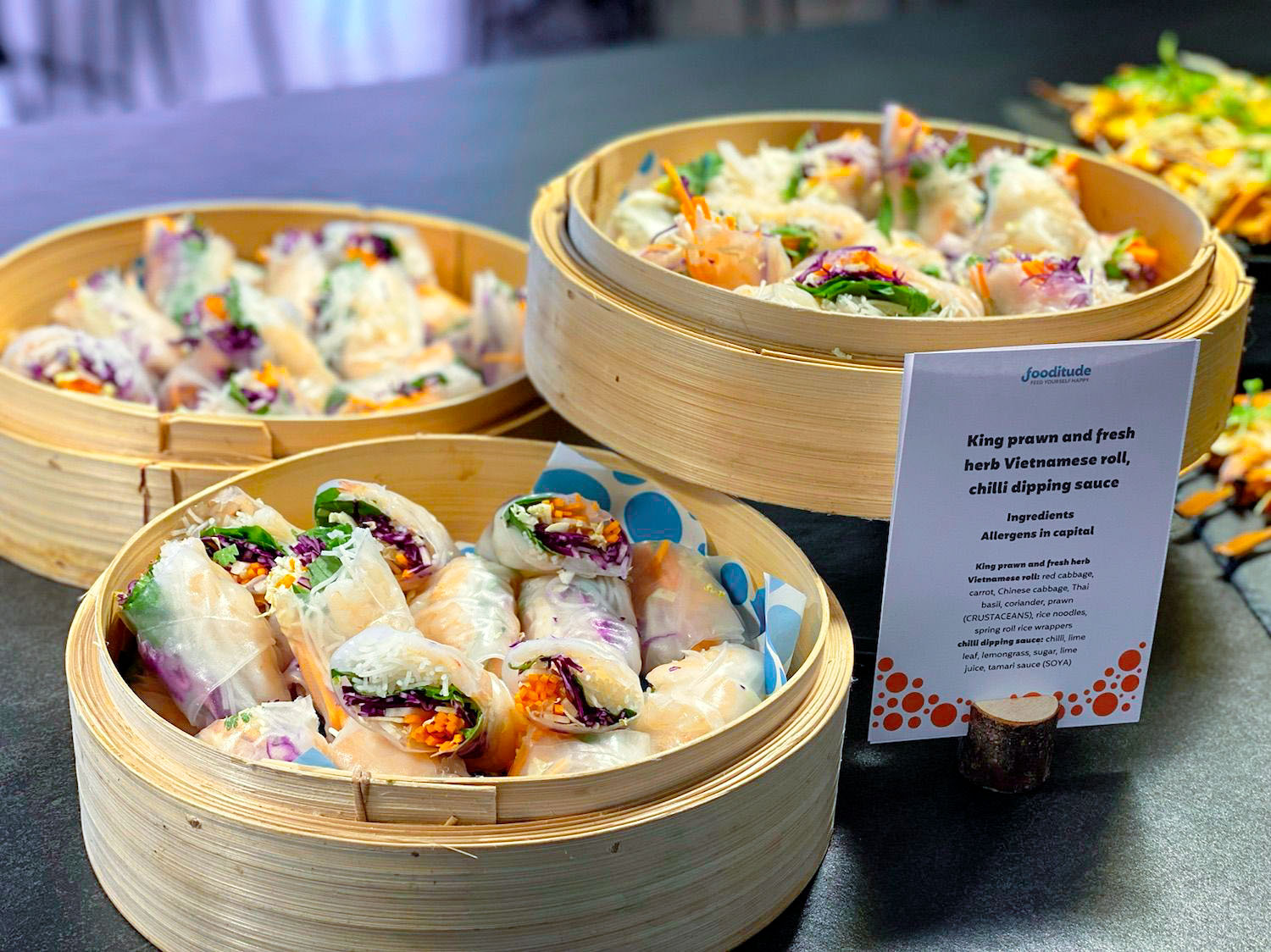
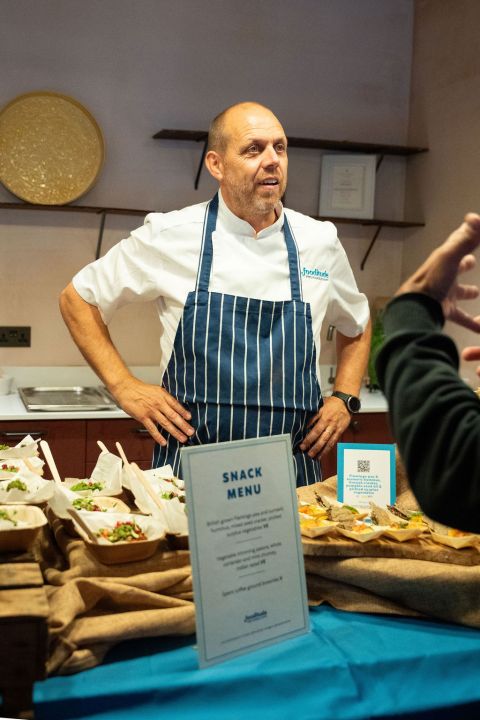
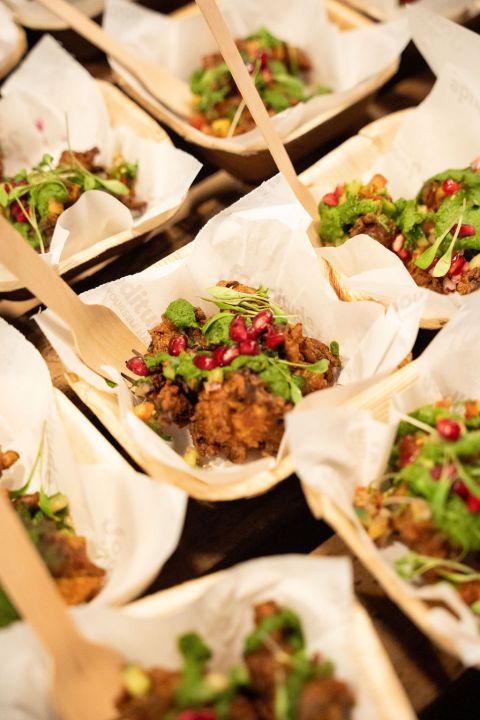
Fooditude’s Director of Food, Matt Byne, and our culinary team were at Footprint Festival serving nutrition-led dishes and snacks to visitors.
For us, creating more sustainable food doesn't mean compromising on flavour, creativity or enjoyment. It means thinking carefully about the ingredients we use, how we combine them and how we make nutritious food something people genuinely want to eat.
On the stage: procurement and healthier diets
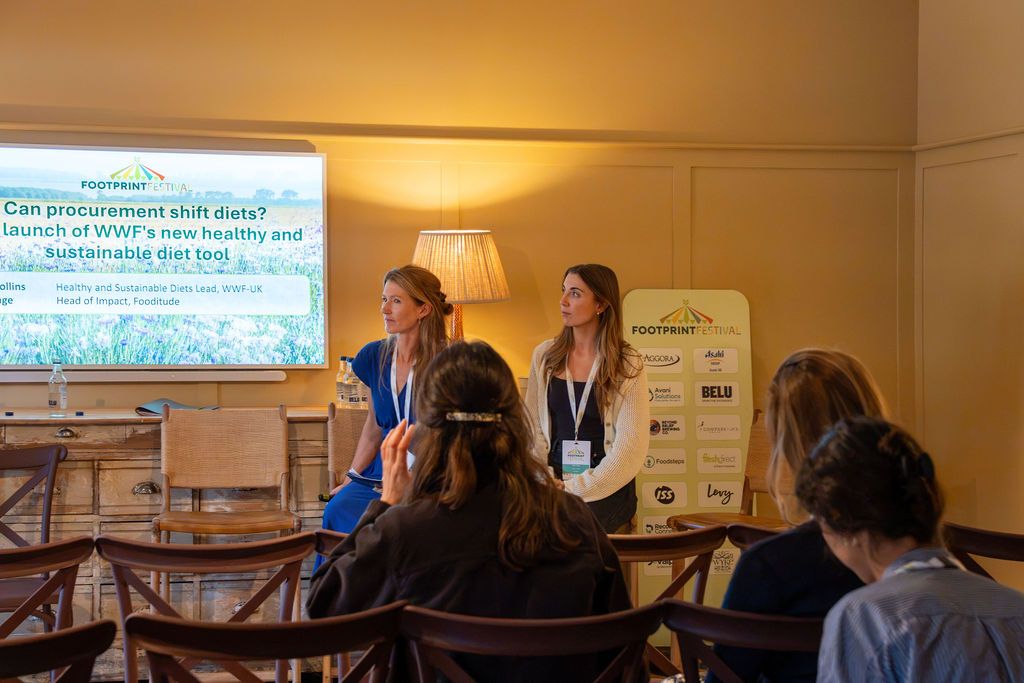
While our chefs were bringing nutrition-led food to the festival floor, our Head of Impact, Kate Page, was part of the conversation on stage.
Kate joined Anna Collins, RD, RNutr from WWF to discuss the role food procurement can play in creating healthier, more sustainable diets. The conversation coincided with the launch of WWF’s new Healthy and Sustainable Diets tool at the festival.
Procurement might happen behind the scenes, but it has a direct impact on what ends up on people’s plates. The ingredients a caterer chooses, the quantities they buy and the balance of those ingredients across a menu all play a part in shaping the food people eat every day.
Looking at our own procurement
The conversation at Footprint also gave us an opportunity to look at our own approach.
Fooditude has been using this new way of thinking to examine our food procurement more closely. In FY25, fruit and vegetables made up 44% of our tracked food procurement by weight, compared with 39% in the Planetary Health Diet reference proportion.
The figure is an important starting point for understanding what we buy and where there is an opportunity to improve. Rather than treating sustainability as a finished goal, we’re using data to help us understand where we are today and where we can make better choices tomorrow.
Our FY26 data will give us another opportunity to assess our progress and the impact of what we choose.
What does this mean for your workplace?
For workplace catering, sustainability isn't just about an occasional special menu. It’s about the food your team is eating every day.
That means building balanced menus around fruit and vegetables, cooking from scratch and choosing seasonal, British-grown produce wherever possible.
It also means looking beyond the menu itself. A caterer’s procurement choices help determine what ingredients are available to chefs and, ultimately, what lands on your team’s plates.
If you’re reviewing your workplace catering, it’s worth asking a few simple questions:
- How does your caterer track food procurement?
- What proportion of procurement is fruit and vegetables?
- How does your caterer use procurement data to identify opportunities to improve?
- How are seasonal and British-grown ingredients incorporated into menus?
The answers can tell you a lot about how sustainability is being approached behind the scenes, as well as what you can expect to see on the plate.
Looking ahead
A big thank you to the Footprint Festival team, and to everyone who stopped by to grab a bite and joined Kate for the conversation.
For us, the festival was a valuable reminder that healthier, more sustainable food is shaped by many decisions, from procurement and menu development to what we ultimately serve our teams.
Feed your team happy
If you’re looking for workplace catering with nutrition and sustainability built in, we’d love to talk.
 Previous post